Just Flight End of Year Round Up 2025 – Part Five

19 December 2025

In this final part of our 2025 End of Year Round Up we'll take a quick look at two of our aircraft which haven't been in the spotlight very much this year, but that will certainly change as 2026 progresses! 

Tornado GR1…

19 December 2025

In this final part of our 2025 End of Year Round Up we'll take a quick look at two of our aircraft which haven't been in the spotlight very much this year, but that will certainly change as 2026 progresses! 


Tornado GR1

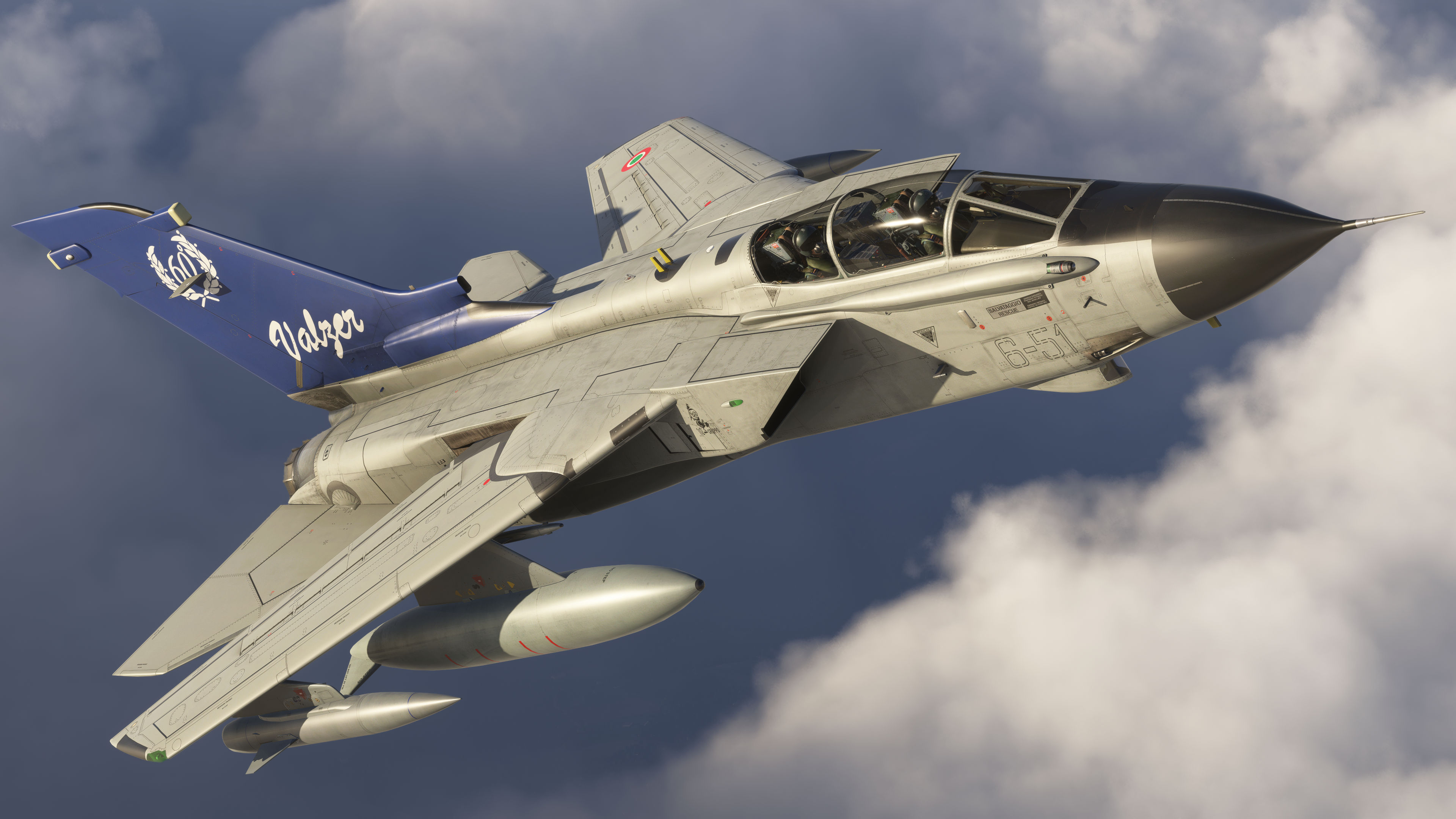
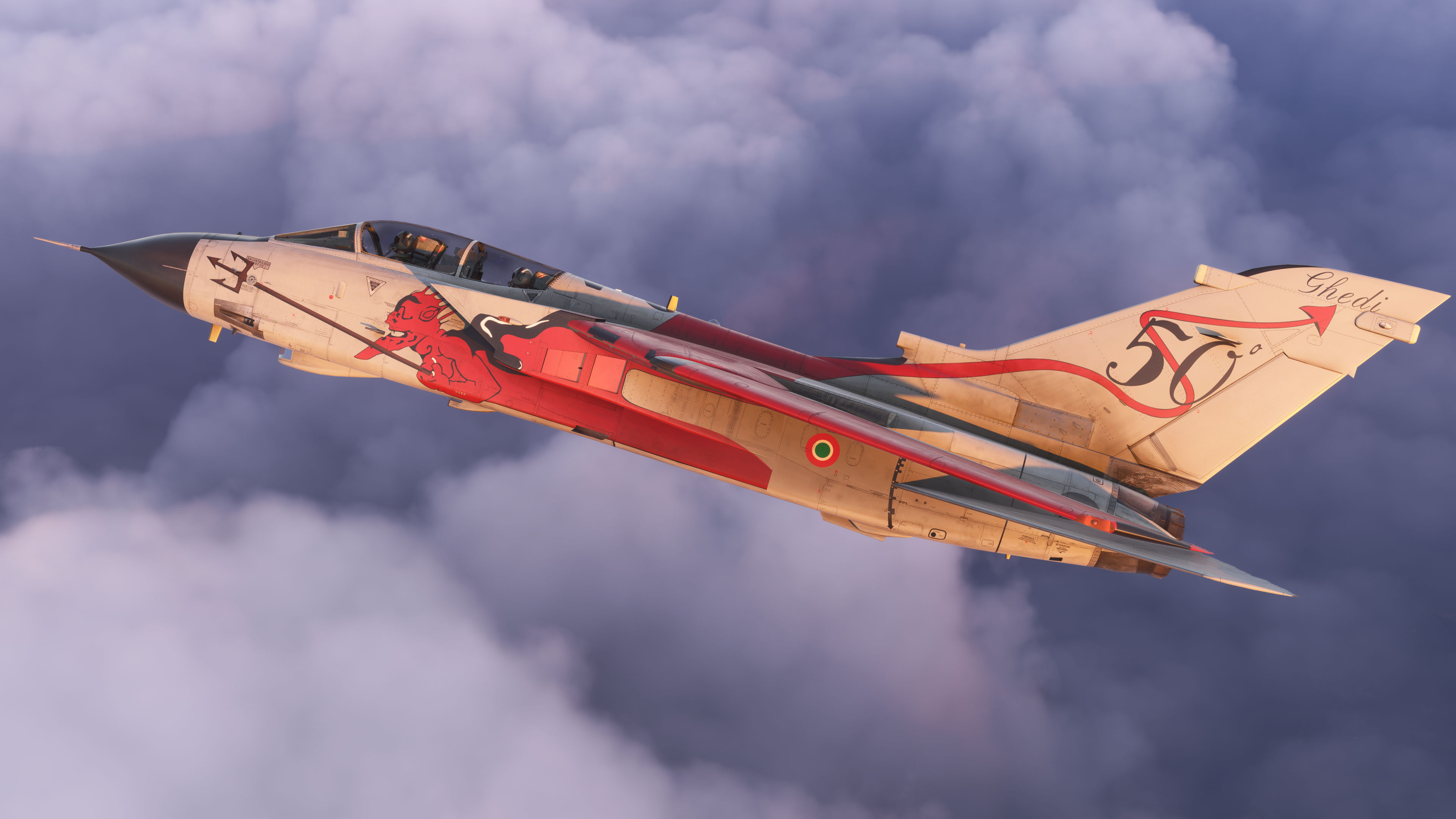
We now consider the Tornado artwork to be final, and our livery artist has almost completed the entire selection of high quality, painstakingly researched liveries, featuring every country that operated the GR1. The screenshots below show some of these liveries, including Italian Air Force liveries for the first time.

In recent months our flight model developer has also begun work on the complex flight model for this variable-geometry fighter-bomber. The Tornado features a complex array of flight controls, which include tailerons that are used for pitch and roll control, spoilers used for roll control and deceleration after landing, rudder for yaw control, dual airbrakes for deceleration during all phases of flight, and high lift devices on the forward and aft sides of the wings.

The flight controls are scheduled based on the wing sweep angle, requiring close collaboration between the systems coder and flight model developer to make everything work correctly. We expect progress on the flight model to increase at a rapid pace once we head into 2026.

As some of our development team’s tasks on other products are completed, we are now in a position to better plan our allocation of resources for the new year. In the first half of 2026 we expect to dedicate a full-time systems coder to the Tornado, which should significantly speed up development.

Our internal development team certainly won’t mind taking a break from the constant, intense schedule of developing and updating multiple high-fidelity airliners simultaneously! We're just as enthusiastic about the Tornado as our much-loved Vulcan and we aim to  to bring you a true high-fidelity simulation of the Tornado GR1 for Microsoft Flight Simulator. We'll be sure to share more details with you as soon as we can.

(You can click on the screenshots below to see an expanded image.)

Tornado GR1

Tornado GR1


LJ45 Professional

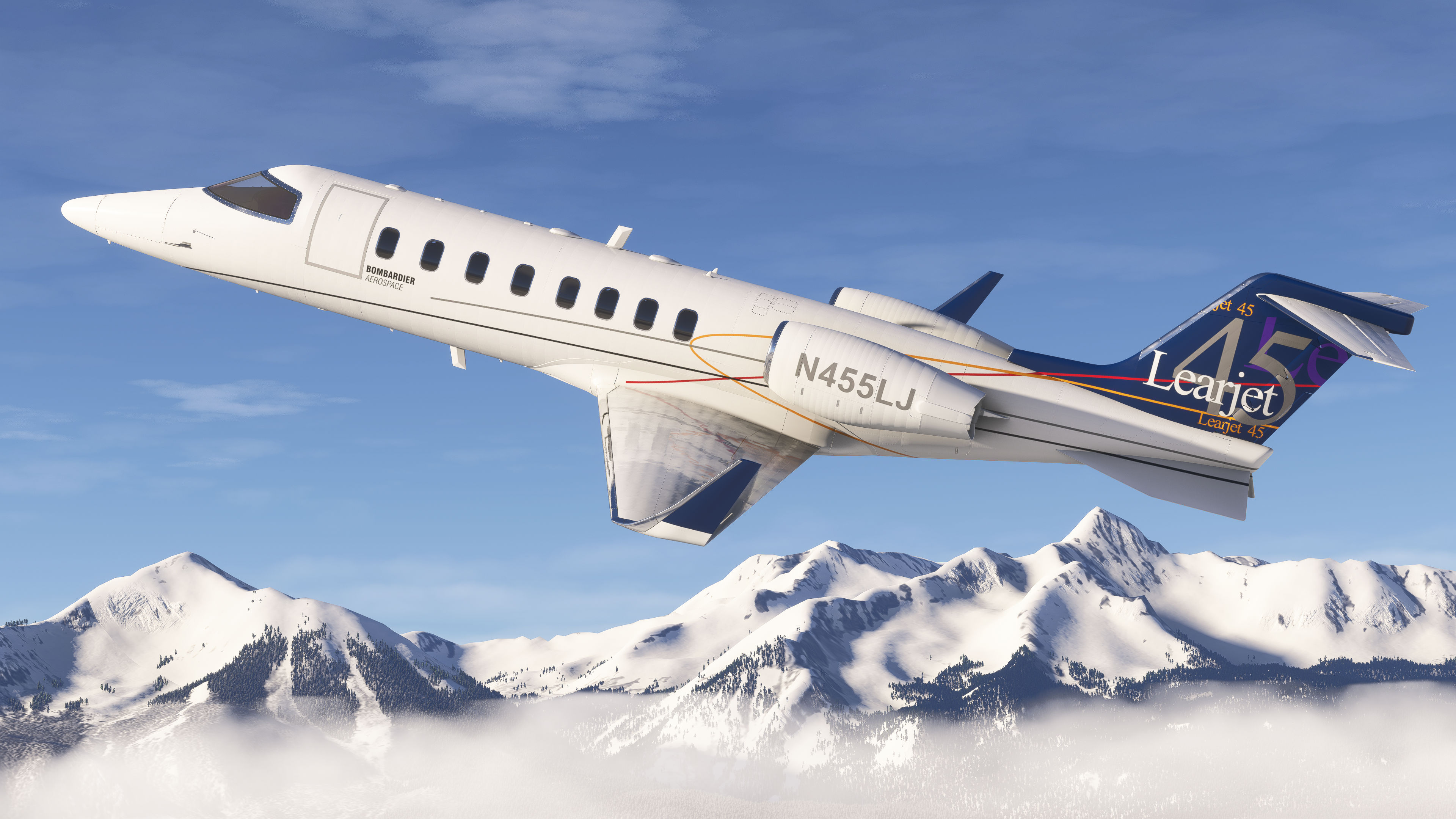
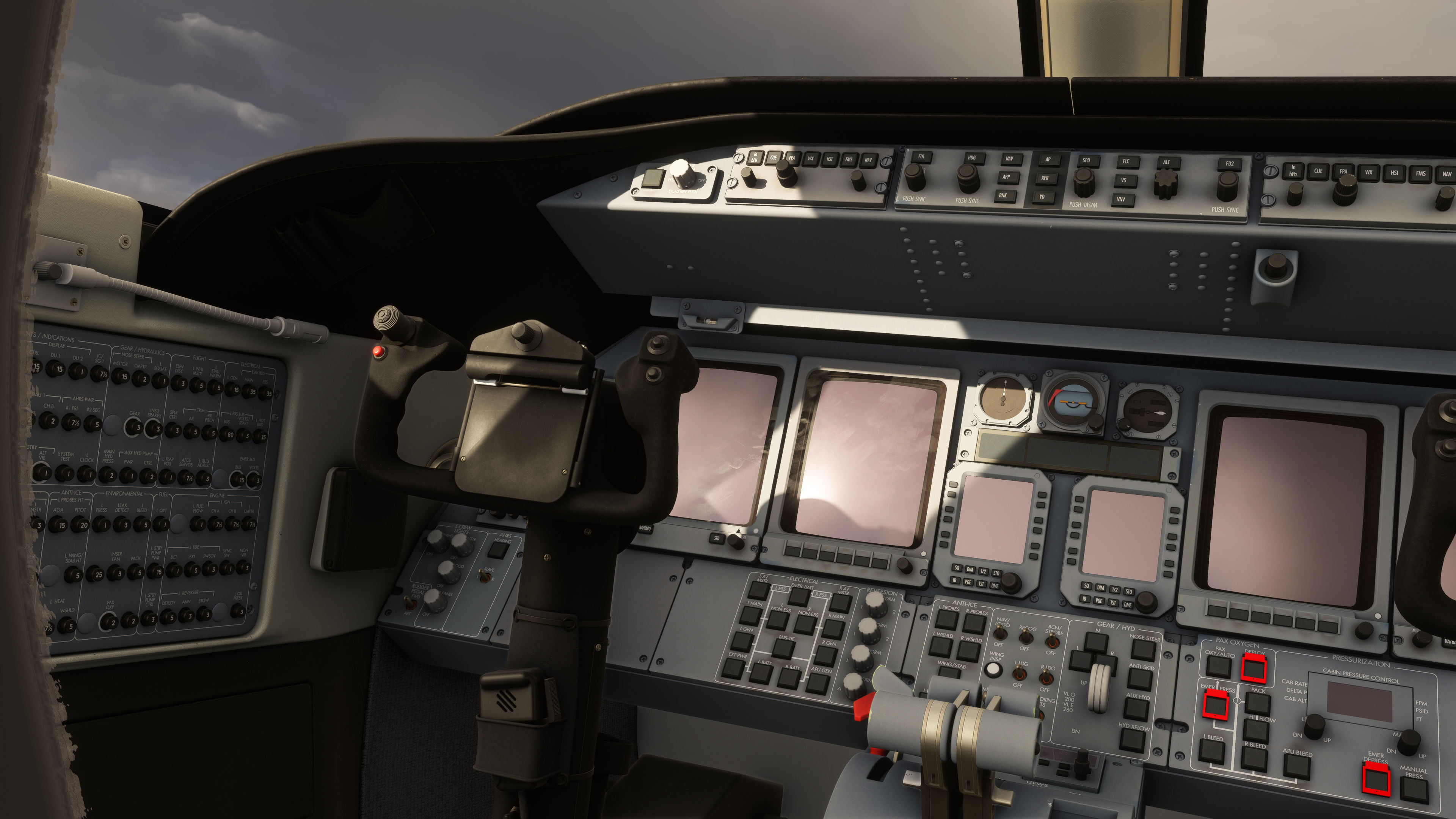
Another aircraft that has seemingly taken something of a back seat in 2025 is our LJ45 Professional. Work on the LJ has been ticking along nicely, though and good progress has been made on the modelling and texture work for both the cockpit and the aircraft exterior, with the cockpit artwork now close to completion.

We have been pleasantly overwhelmed by the number of LJ45 experts that have contacted us and provided us with incredible amounts of reference materials and helpful answers to any questions that we have had about the aircraft. We are always on the lookout for pilots and engineers who have hands-on experience with the aircraft types we are developing, so if you fit that bill for the LJ - or for any of our projects - we’d love to hear from you! You can contact us via the Just Flight Support page and your message will be forwarded to the relevant development team.

As is the case with with the Tornado, a full-time coder working on the LJ45 Professional will really help accelerate its development in the new year, but for now here are a couple of images from the latest aircraft build. We're looking forward to getting stuck into more work on the LJ45 in 2026 and fully expect it to be a special offering once complete.

LJ45 Professional

LJ45 Professional

So that wraps up the final instalment of our End of Year Round Up for 2025 - the busiest and most productive year in the 30-year history of Just Flight, with a constant stream of updates across our product range, our continued commitment to ongoing product support with huge free upgrades for every one of our in-house MSFS products, and a huge amount of development work done on projects scheduled for the coming year. 

Many thanks to all of you for continuing to enjoy the ride in 2025. We believe there are exciting times to come, so here’s to 2026!

MicroProse B-17G Flying Fortress out of Early Access

18 December 2025

After three updates over recent months, the Early Access phase of MicroProse's B-17G Flying Fortress for MSFS 2024 is now over and the new Thorpe Abbots Update brings the aircraft to the Version 1.0 milestone – see the B-17G …

18 December 2025

After three updates over recent months, the Early Access phase of MicroProse's B-17G Flying Fortress for MSFS 2024 is now over and the new Thorpe Abbots Update brings the aircraft to the Version 1.0 milestone - see the B-17G Flying Fortress page for the updated aircraft details and a whole new set of screenshots!

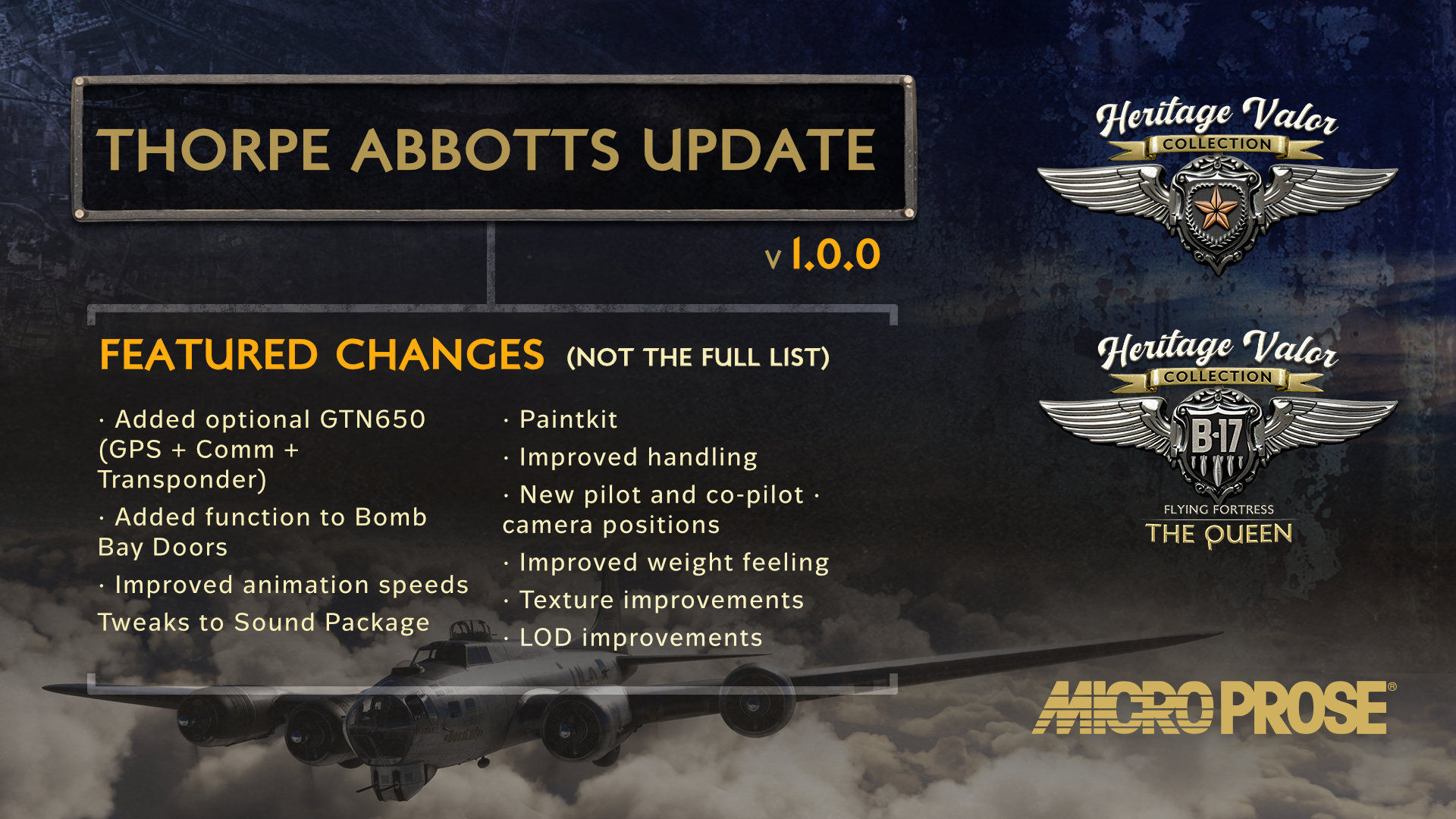
See the image below (click for a larger version) for the featured changes in the new v1.0 edition and you'll find the complete list of the latest updates on the B-17G Support page. Microprose have confirmed that they are committed to updating the aircraft further.

Those of you who have already bought the Early Access Edition of the B-17G can download the new v1.0 software from your Just Flight Account and new buyers will get the latest v1.0 version of the aircraft.

The current reduced price for the B-17G was originally planned to last only as long as the aircraft was in the Early Access phase, but we understand from Microprose that this offer has been extended for a while longer, so don't delay if you were considering climbing aboard the definitive variant of the legendary B-17 heavy bomber!

MicroProse B-17 Flying Fortress - V1.0 Update

Just Flight End of Year Round Up 2025 – Part Four

18 December 2025

A300B4 Professional

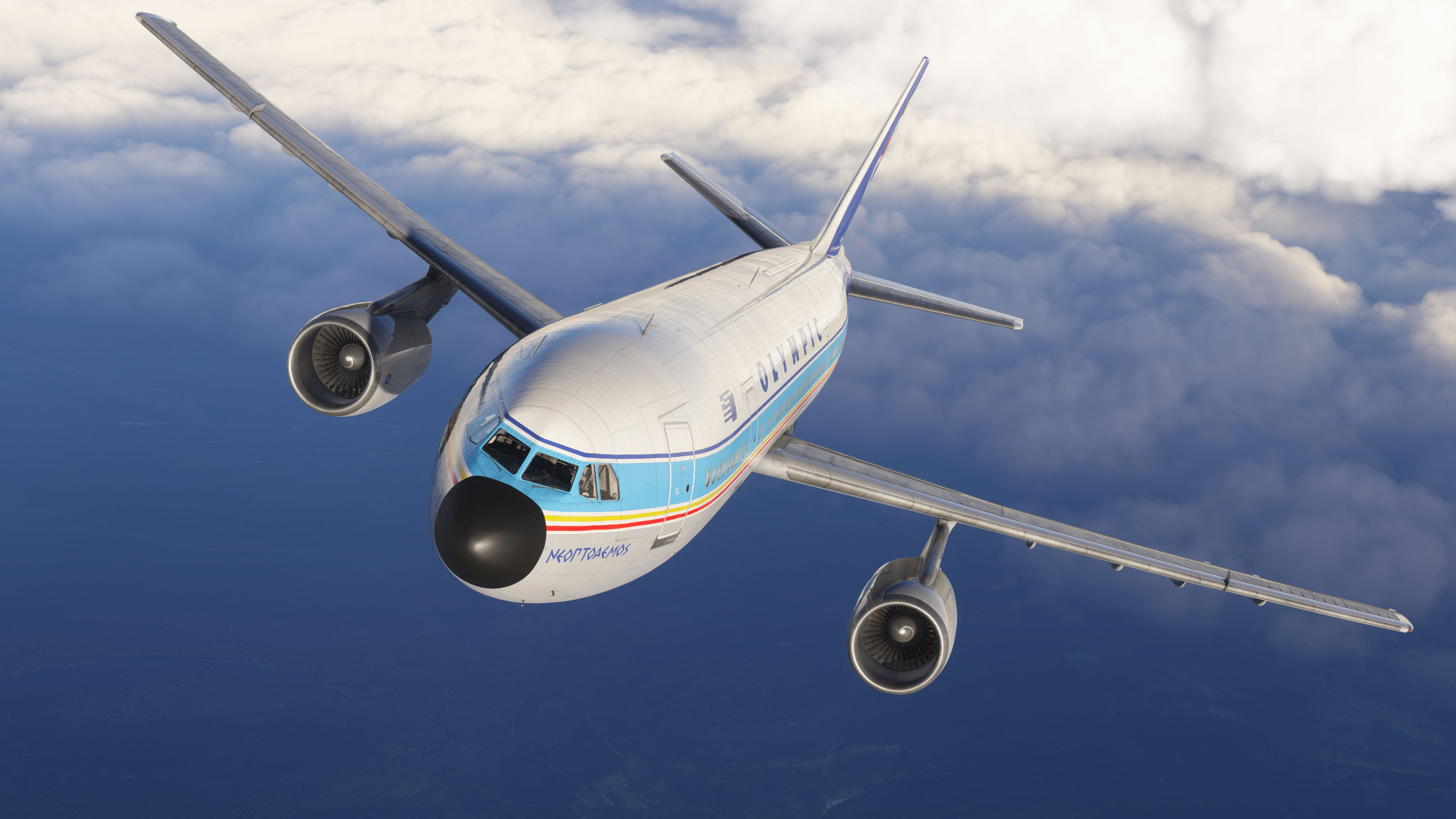
Today we'll be looking at the considerable progress made this year on our upcoming classic, high-fidelity, wide-body airliner – the A300B4 Professional for MSFS 2020/2024.

The big news is that after months of…

18 December 2025

A300B4 Professional

Today we'll be looking at the considerable progress made this year on our upcoming classic, high-fidelity, wide-body airliner - the A300B4 Professional for MSFS 2020/2024.

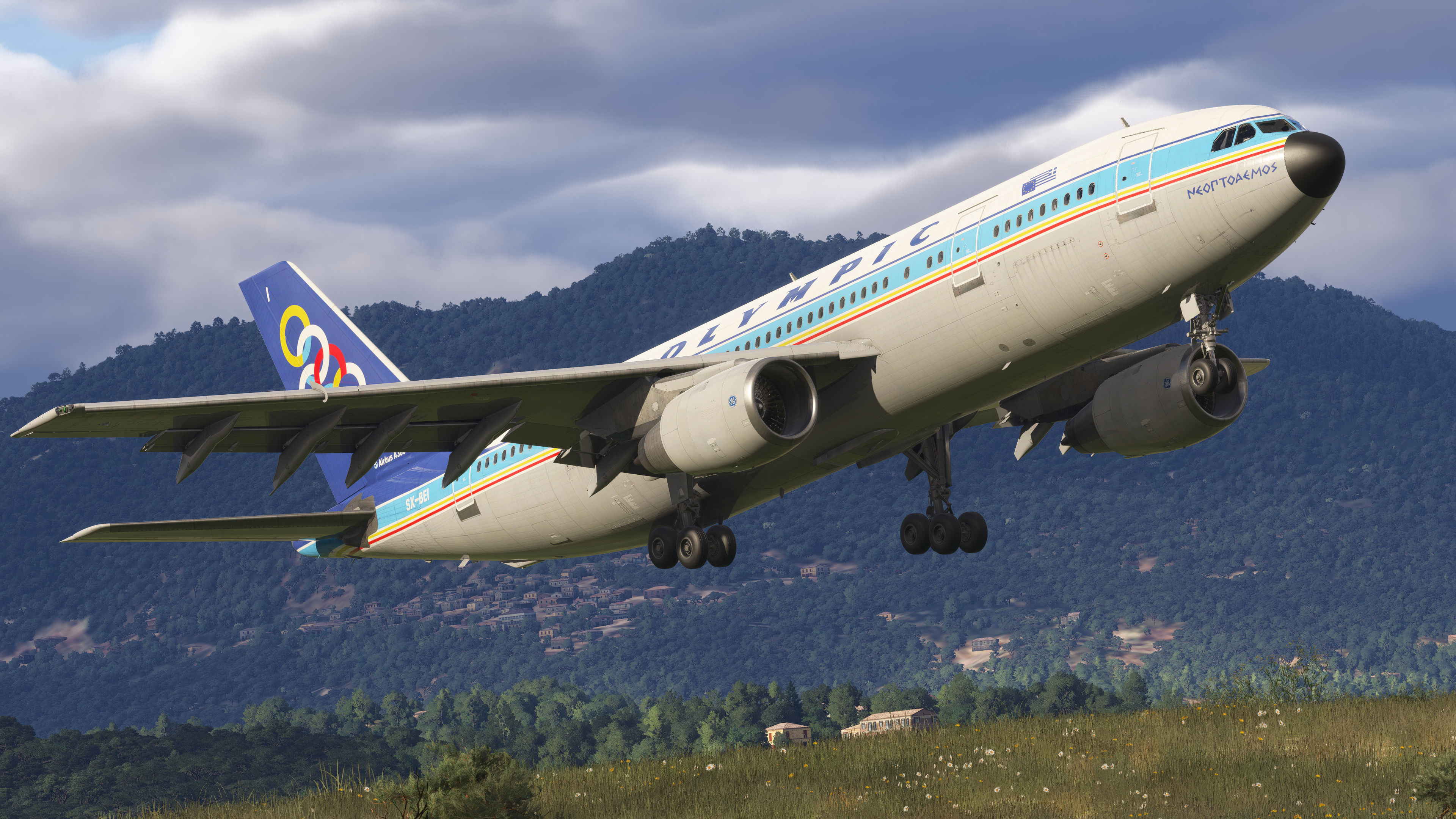
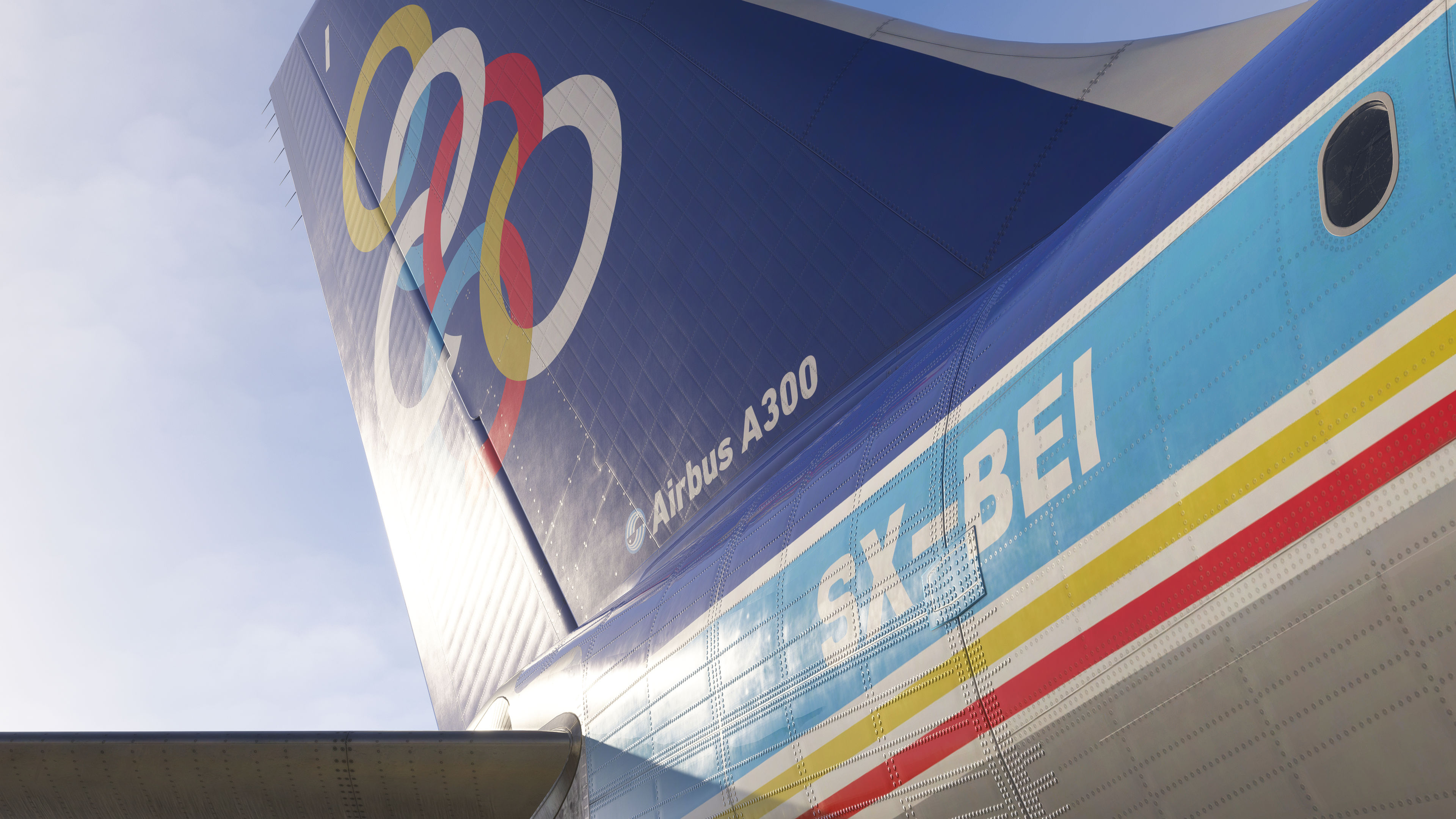
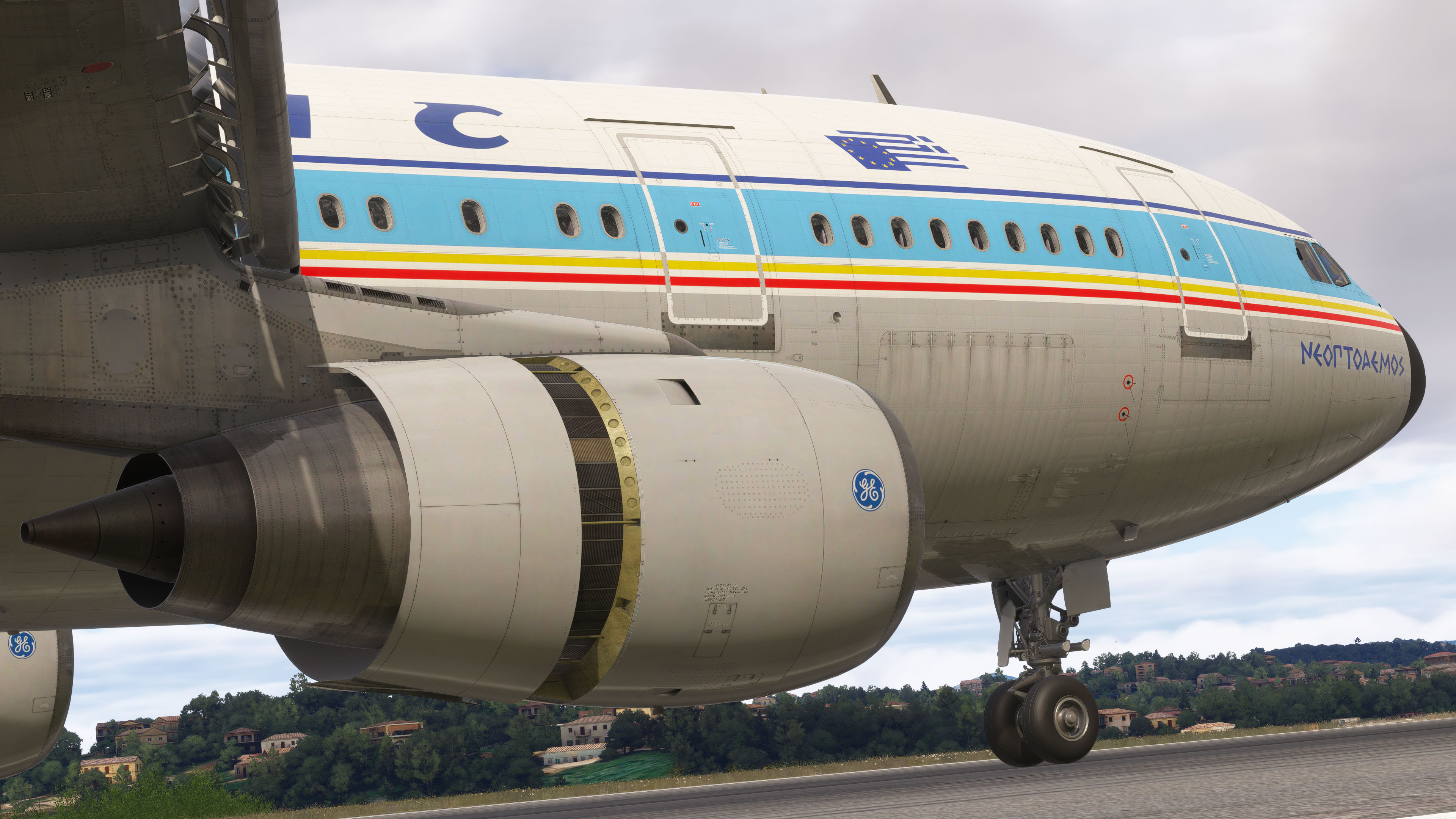
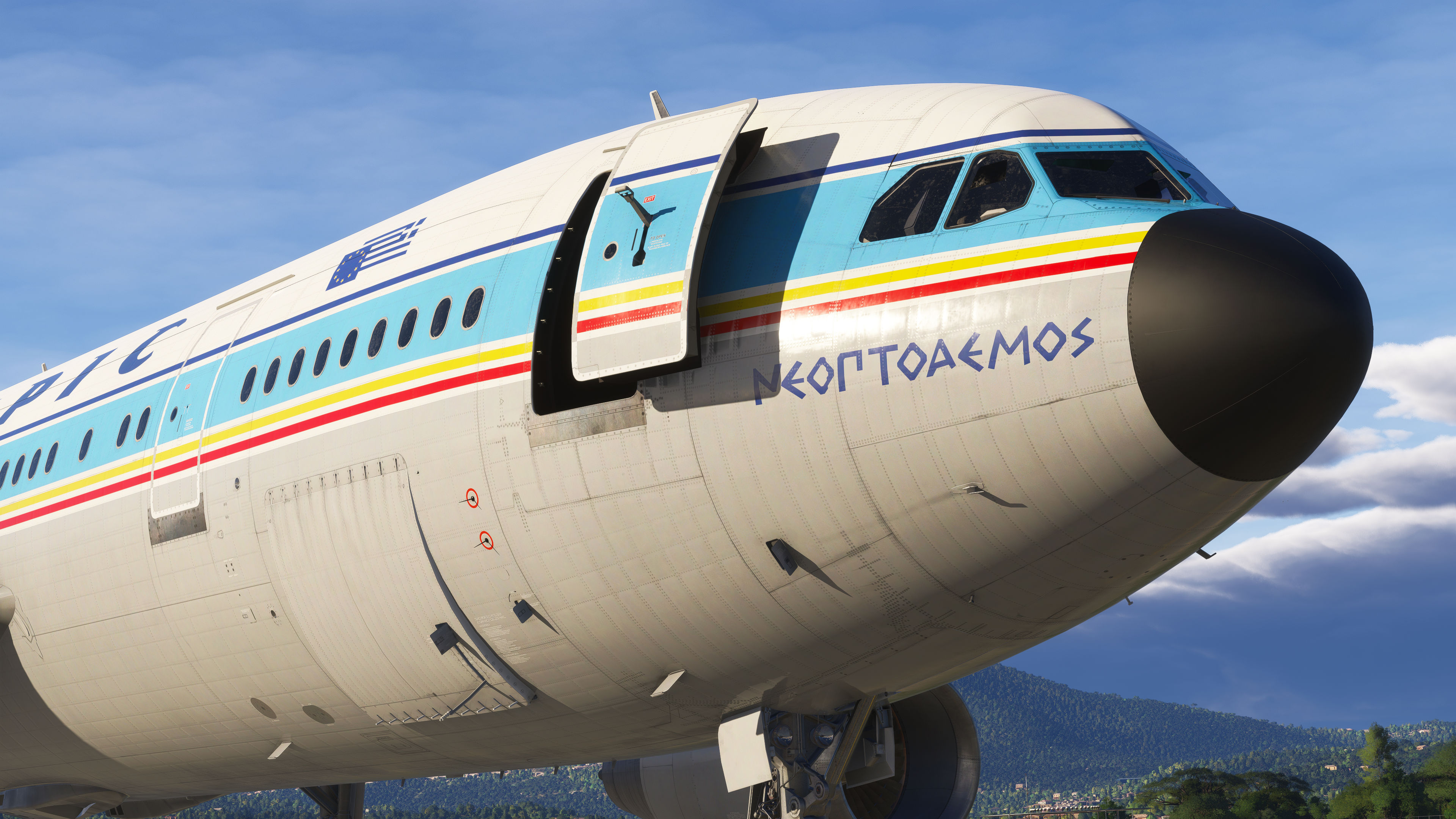
The big news is that after months of rivet-crunching work, our in-house artist is now extremely close to completing the exterior artwork. An aircraft of this size, created with this level of detail, is an enormous undertaking for any artist. The exterior textures are created at 8K resolution for pin-sharp texture quality, even at eye level during a pre-flight walkaround. 

(You can click on the screenshots below to see an expanded image.)

A300B4 Professional

As you get up close to certain areas of the aircraft, it has the look of a very industrial machine. Thousands upon thousands of rivets have been meticulously hand-placed on every inch of the aircraft’s metal surface and this is most evident around the tail of the aircraft, which houses critical aircraft structure such as the rear bulkhead.

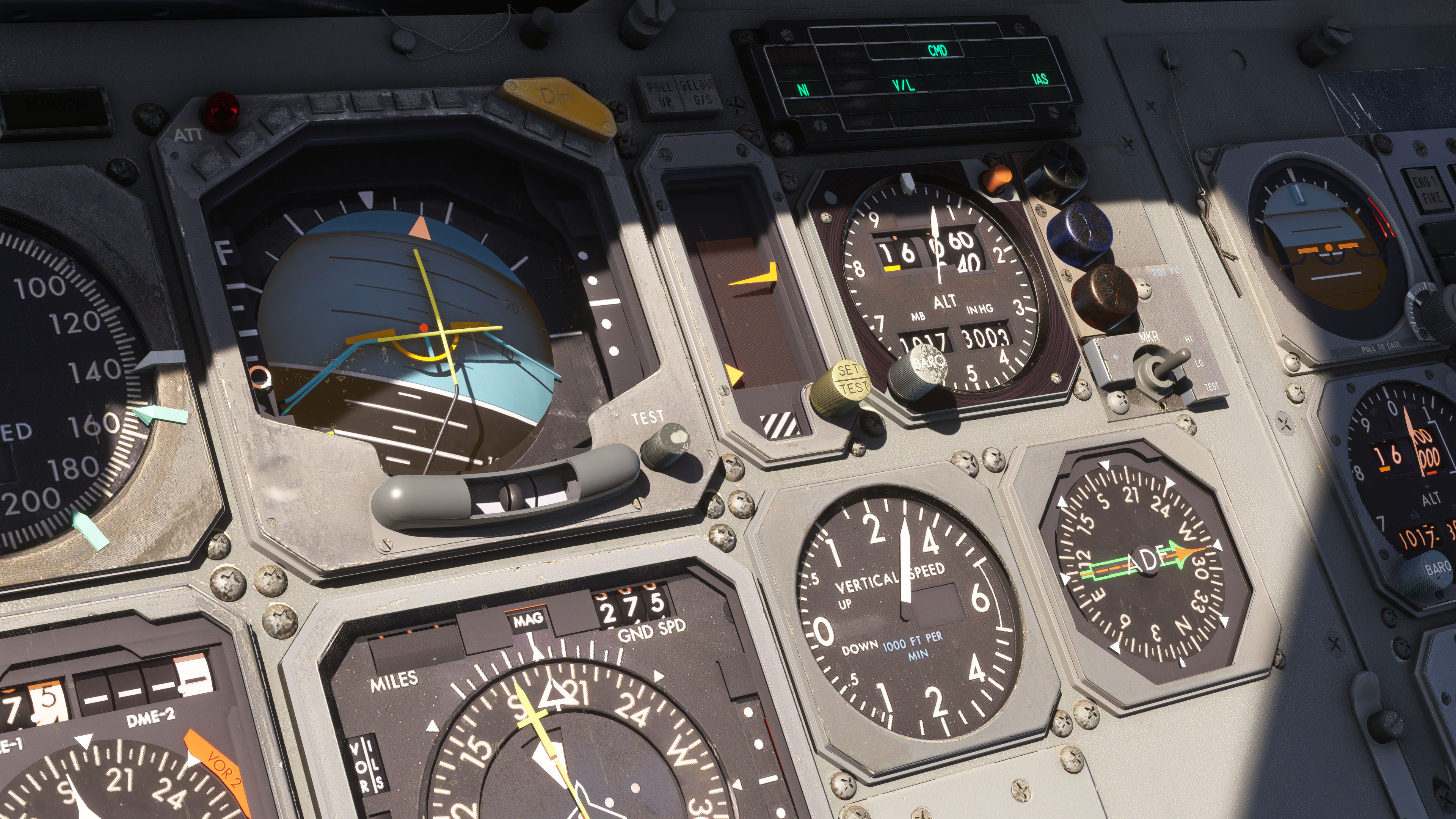
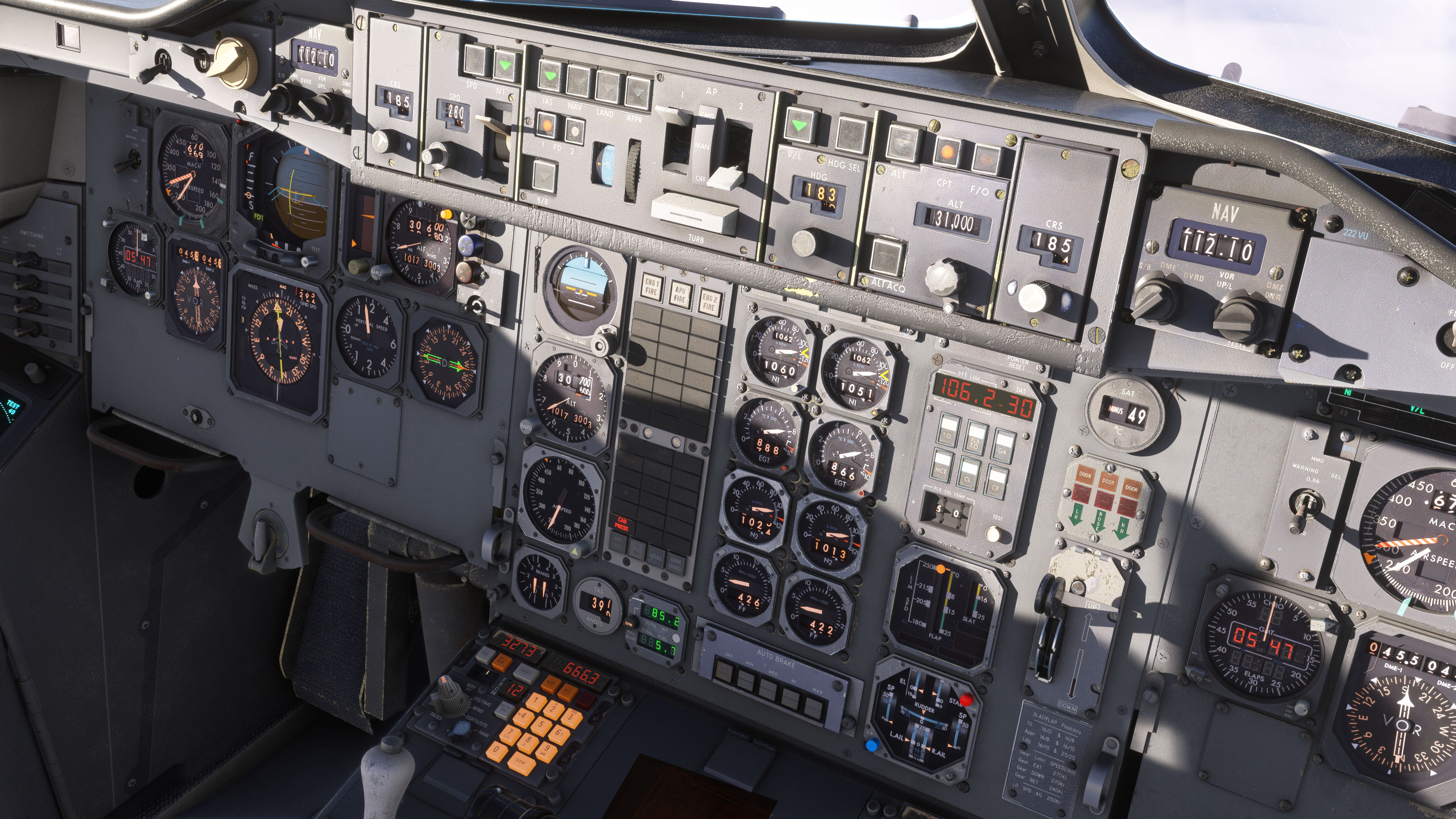
Of course, it wouldn't be a Just Flight aircraft if it didn't feature a realistic level of weathering. As with all our aircraft, we like to represent a machine that has been a workhorse for its operators - one that has been operating day and night, come rain or shine. Streaks of dirt and detritus that have been caught up in the airflow are visible on the aircraft’s surfaces, as well as traces of rain water than has run down panels from guttering or hinges, and even brake dust around the main landing gear doors. This all closely matches the feel of the cockpit artwork, which you can see in our previous A300B4 Professional development updates.

A300B4 Professional

We may be slightly biased, but we think this will be one of, if not the, most accurately represented wide-body airliners in any flight simulator. We know that's a very bullish thing for us to say, so we'll let you be the judge!

So, what work remains to be done on the aircraft exterior? Our artist is currently working on the textures of the landing gear, wheels and landing gear bays, before moving onto the cargo hold interiors - and that will be the artwork complete for the A300B4-203 variant. The eagle-eyed among you may notice that the livery shown in today’s screenshots actually belongs to the A300B4-103, and yes - that does mean other variants of the A300B4 will be included, including freighters. We're not ready to show any of the other planned variants just yet, so we will save those for a future development update.

A300B4 Professional

Once the exterior texturing is complete, we can move on to livery creation. There are so many classic liveries that have adorned the A300B4 throughout its service life, and we have had great difficulty narrowing down the list to try and keep things achievable. Nevertheless, we promise to provide a large selection of top-quality liveries which represent the aircraft’s diverse range of operators from every habitable continent (sadly we couldn't find any record of Antarctic A300 operations!). 

A300B4 Professional

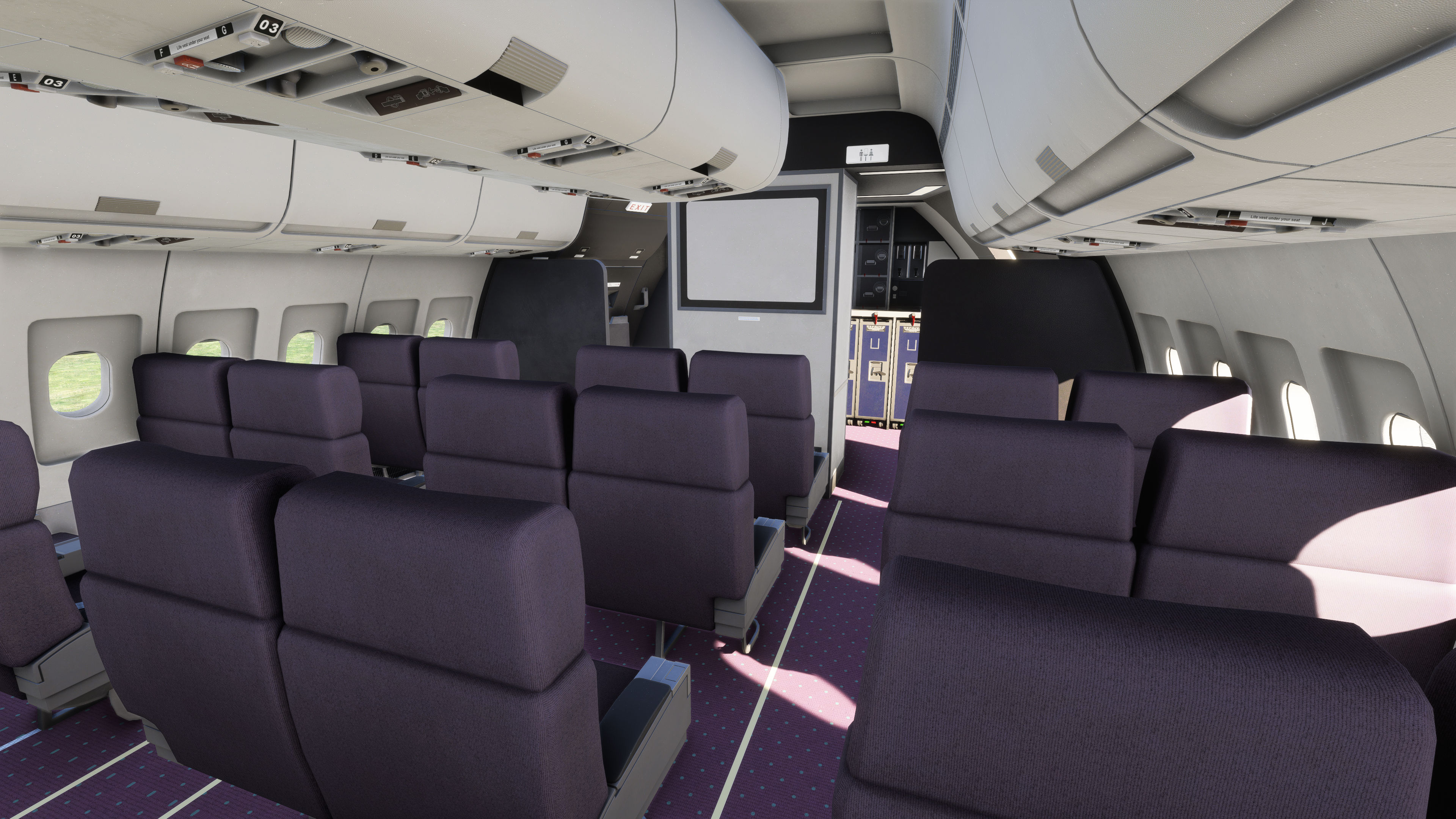
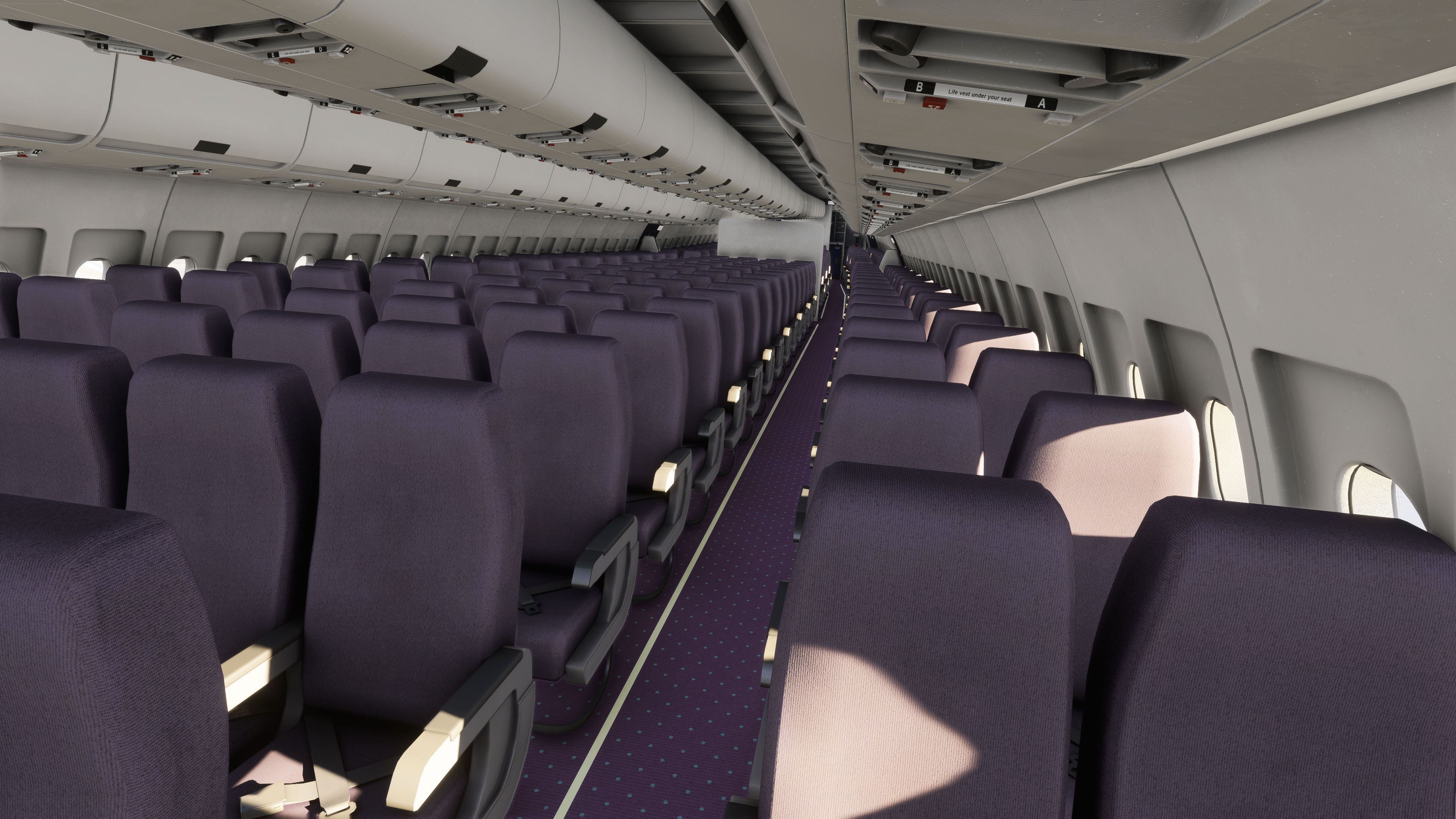
As regards the interior, we can share our first proper glimpse into the A300's vast cabin, which we have modelled in a two-class layout, straight out of the 1980s. The First Class cabin has 24 seats arranged in a 2+2+2 configuration, and the Economy cabin has 230 seats in a 2+4+2 configuration, which narrows at the rear to 2+3+2. The very noticeable incline in the rear section of the cabin is also modelled, with this incline taking up the entire aft cabin section in the A300B4, as opposed to the more modern aircraft types that share the same basic A300 fuselage. 

A300B4 Professional

As is the case with our other MSFS aircraft, the cabin will have plenty of simulation in the galley areas, so you will have lots to play with if you want to stretch your legs on a medium- or long-haul flight.

The cabin artwork is complete but currently in testing, so there will be minor changes between what you see here and the final release,  most notably in the cabin lighting; this is not yet implemented in these screenshots, with the cabin currently illuminated via the ambient light entering through the cabin windows.

A300B4 Professional

Pending final changes to the complete aircraft artwork, we can now turn our attention to the remaining areas of the flight model, sound set and systems coding.

The flight model is progressing very well, and the extensive data we have sourced for a variety of A300B4 variants has proven to be extremely useful in getting the aircraft to perform as faithfully to the numbers as possible. Work on the sound set is due to start soon.

A300B4 Professional

The systems coding is the heart of the aircraft, as most of the time you spend in the aircraft will be interacting with the abundance of switches in the A300B4's three-position flight deck. Don't let the A300 name fool you - this is very different from operating a modern A3XX aircraft!

In our previous development update we briefly talked about the sheer depth of simulation our system coding is achieving with the A300, including simulating the variances in fuel pump efficiency between each fuel tank - the level of simulation that can only be accomplished by coders who are airline pilots themselves.

A300B4 Professional

All the aircraft systems have now been fully coded, and the aircraft is being prepared to enter wider testing. The most recent tasks completed are the fully custom-coded navigation systems, which include a Carousel IV-A Inertial Navigation System (CIVA INS), and the autopilot logic.

Now that we have an almost complete aircraft, we can begin an intensive testing period that involves diving deep into every one of the A300's systems and cross-checking their functionality against the aircraft’s FCOMs. There will be constant refinements made to systems' interoperability, in particular how the autopilot behaves with the other navigation systems, and the flight model. 

A300B4 Professional

Our lofty ambitions for the A300B4 Professional are quickly becoming a reality and we can't wait to share more with you as development continues at pace into the new year. 

In the final instalment of our End of Year Round Up tomorrow we'll be taking a look at two more of our aircraft which are currently in development. 

Just Flight End of Year Round Up 2025 – Part Three

17 December 2025

F70/100 Professional

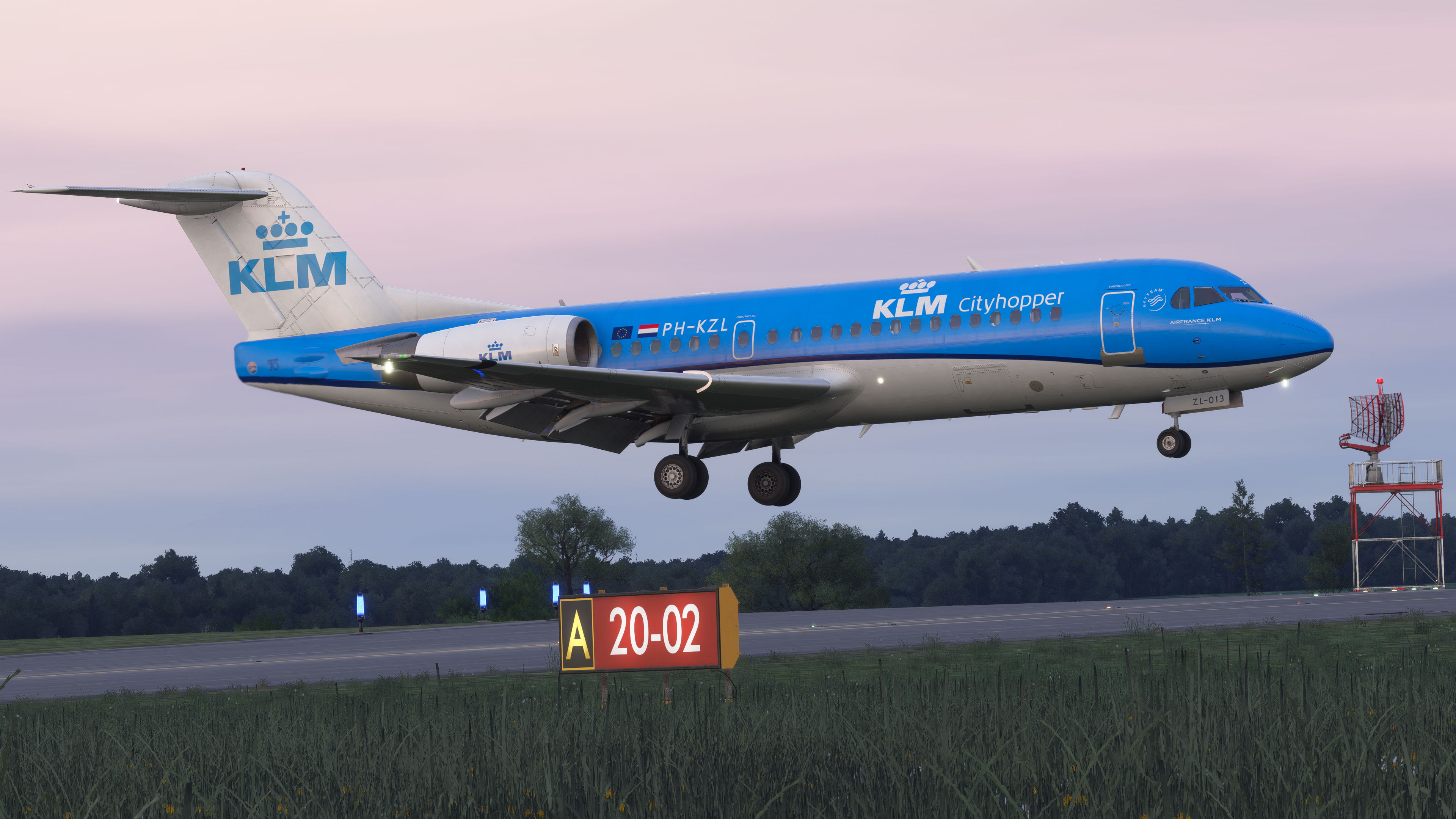
Part Three of our 2025 round-up takes us to a progress report on our hotly anticipated, high-fidelity regional airliners: the F70 Professional and F100 Professional.

Before we delve into the update, though, we h…

17 December 2025

F70/100 Professional

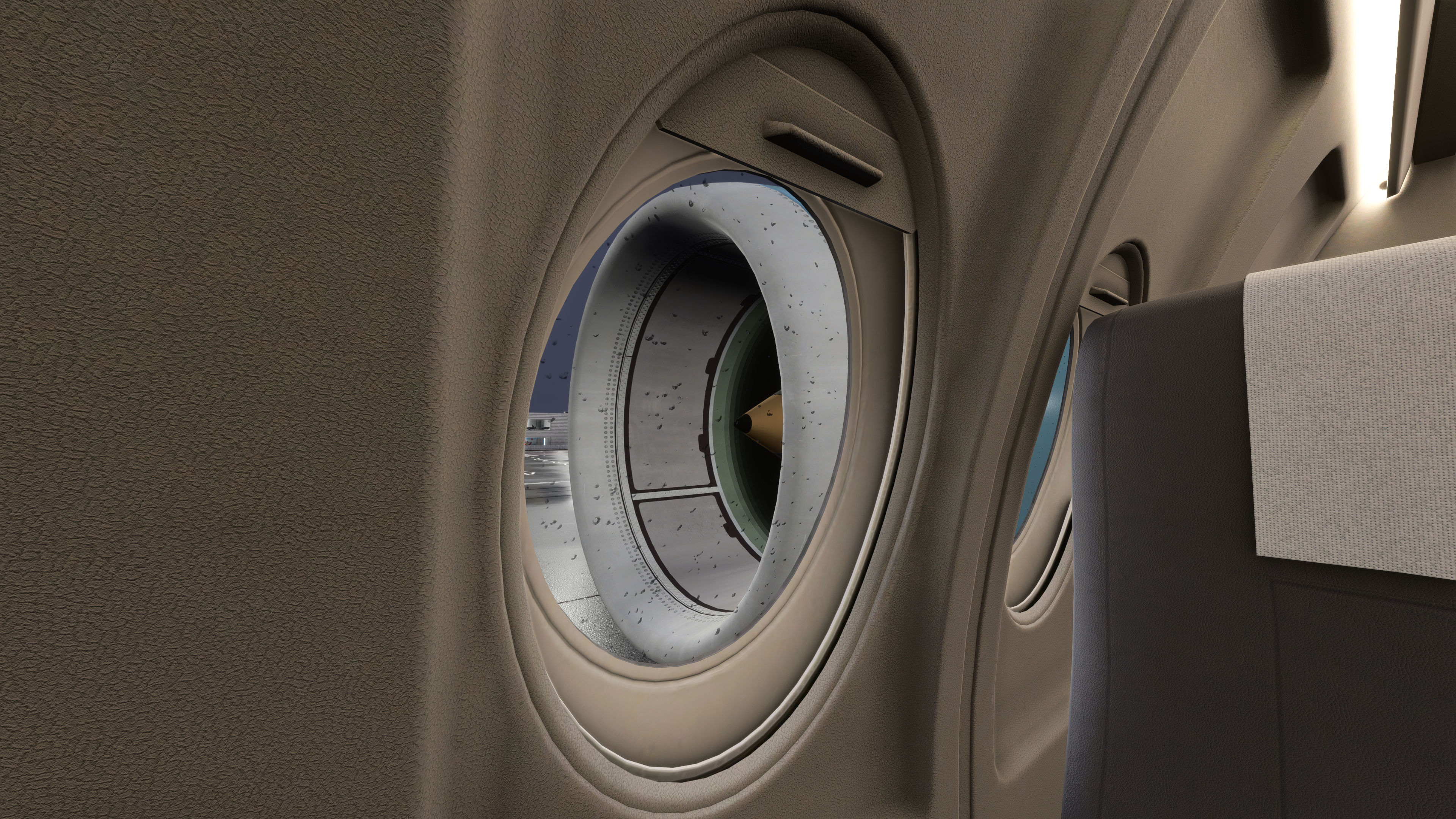
Part Three of our 2025 round-up takes us to a progress report on our hotly anticipated, high-fidelity regional airliners: the F70 Professional and F100 Professional.

Before we delve into the update, though, we have prepared a cinematic video of the aircraft to whet your appetite. This video, recorded with one of the most recent builds, is the most representative look yet at what you can expect to find in these forthcoming MSFS airliners - enjoy it here!

In the time since our previous update, parts of the AFCAS and FMS code have been refined, improved and in some cases reworked. The complex nature of a ‘modern’ glass cockpit airliner featuring Lateral Navigation and Vertical Navigation means that features such as the AFCAS, FMS, EFIS displays and flight model are all so finely integrated with each other, as well as reliant on so many external variables, that every small change in code to any of those components not only requires a significant amount of testing, but may also require further work on a different section of code whose behaviour may have been affected. The number of integrated systems is, of course, greater on more modern aircraft like the F70 and F100.

We are getting close to the finish line now, with a solid build that we can continue to support for years to come. We appreciate that this is frustrating to many of you who have been eager to take these aircraft into the virtual skies, but we hope that your long term enjoyment of the F70 and F100 will far outweigh the frustration of the delayed release.

(You can click on the screenshots below to see an expanded image.)

F70/100 Professional

The flight model has seen further refinements to three key areas in recent weeks.

The first is the high-altitude performance. In the real-world F70 and F100, the Tay 620-15s were particularly lethargic at high altitude, especially with the F100 at high weights. At maximum take-off weight, a fully laden F100 covers 85 nautical miles over 17 minutes to reach 25,000 feet, but takes almost double that time and distance to climb from 25,000 feet to 35,000 feet. This is something that must be considered during the flight planning phase of every flight, as it may be more efficient to cruise at a lower altitude for longer than to continue climbing. 

F70/100 Professional

The second aspect of the flight model that has been refined recently is the flare behaviour. Unlike the F28, which shares a similar configuration, it is not standard operating procedure to extend the speedbrake over the threshold unless you’re performing a short field landing; in fact the F70/F100 FCOMs recommend that the speedbrakes remain in the same position (IN or OUT) throughout the entire approach. This difference in procedure, and the higher probability of a lower drag landing compared to the F28, previously made the F70 and F100 a bit too susceptible to ground effect, leading to floating landings. However, based on a vast collection of real-world cockpit videos, we have been able to fine-tune the flare behaviour so that a similar amount of pitch input is required to flare the aircraft as real-world pilots would use.

We are frequently told by their real-world pilots that the F70 and F100 were lovely aircraft to hand fly, and we are certainly feeling that now in the simulator. 

F70/100 Professional

The third aspect of the flight model that has been reviewed is the engine parameters during engine start. In a previous development update we covered our own custom EPR (Engine Pressure Ratio) simulation for the F70 and F100, which allows the relationship between EPR, N1, N2 and EGT to be as accurate as possible throughout all phases of flight. One thing we noticed when implementing the sound set was that the engines N1s were running a couple of percent too high when on the ground at idle.

Although this didn't cause any noticeable issues with the physics or other procedures, it did lead to the engine sounds being slightly out of pitch for the idle power setting. Thanks to close collaboration between our flight model and sound developers, this has been corrected and we are seeing accurate engine figures when the engines are at idle. You will also hear the deep, low frequency rumble of the Tay 620-15s at idle power, something that will really make you hold onto your headphones!

F70/100 Professional

In the last few weeks we have received a feature-complete build of the sound set, and our internal testing team is currently providing feedback to our sound developer. As with all our products, he has done a fantastic job of implementing the sound recordings into the simulator – dare we say even surpassing the incredible sound set in our Avro Vulcan B Mk.2, K2, and MRR! The F70/100 Professional sound set surpasses that of the the Vulcan in the number of individual sound samples for the engines, with our sound developer telling us is that it features the highest number of individual sound samples he has ever included in an FS aircraft.

Something that is very difficult to achieve is developing a sound set that makes you feel like you are in the presence of the real aircraft, rather than simply hearing sound recordings of an aircraft playing in the background. With the F70 Professional and F100 Professional your body will vibrate with the low frequency rumble of the engines at idle power (especially in the rear of the cabin), you’ll feel euphoria as the engines are advanced to take-off power and the screaming buzzsaw sound of the Tays overpowers every other sound, and if you’re on the exterior you’ll feel deafened if you attempt to complete a walkaround with the engine or APU running. That doesn't even scratch the surface of the countless unique sounds you'll hear whilst operating the aircraft from the cockpit, or even the cabin announcements such as the Safety Briefing that you'll hear in the cabin during pushback and engine start.

We'll be bringing you an in-depth Sound Overview video in due course, so you'll be able to enjoy the impressive F70/F100 audio experience for yourself.

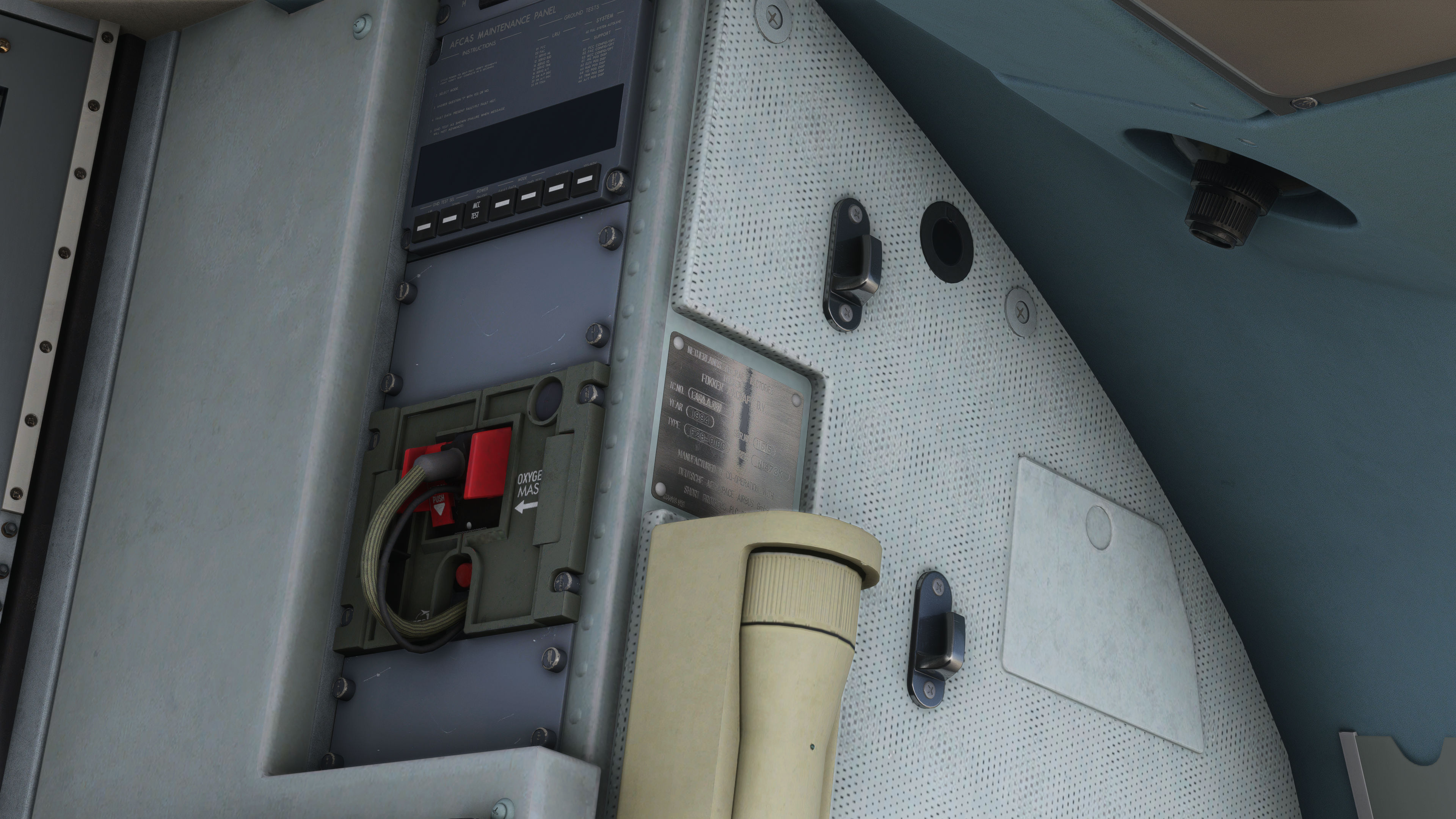
Further work has been completed on the liveries, with the addition of custom data plates for each livery. These data plates are located on the aft wall of the cockpit, behind the Captain’s seat, and the data in each of the four fields will be accurate for each livery. As with our recent 146 Professional and F28 Professional updates, we'll also be giving livery creators the option to include a configuration file with their liveries; if included, this will allow livery creators to have the correct external equipment configuration assigned for their livery by default.

F70/100 Professional

An update such as this one doesn't paint the entire picture of the amount of work that is going on behind the scenes, as a significant percentage of the development is related to code changes which don't lend themselves very well to any kind of visual presentation, but rest assured that we are working flat out on both aircraft and doing our very best to get the F70 Professional and F100 Professional released as soon as possible in 2026.

In Part Four of our End of Year Round Up tomorrow we'll be providing more details of another Just Flight Airliner due for release in the New Year.

Just Flight End of Year Round Up 2025 – Part Two

16 December 2025

FLY THE LINE: SHORT HAUL EDITION

Today we're turning our focus to the achievements of one of our development partners over the last 12 months, as well as giving an insight into what updates we're expecting to see in their sof…

16 December 2025

FLY THE LINE: SHORT HAUL EDITION

Today we're turning our focus to the achievements of one of our development partners over the last 12 months, as well as giving an insight into what updates we're expecting to see in their software in 2026.

PulsarSim - the developer behind the successful Fly the Line: Short Haul Edition - released their first product in July 2025. If you are not familiar with it, Fly the Line is a brand-new career-driven experience with a unique take on the typical flight simulation career mode experience. Rather than simply tracking your flights from point A to point B, Fly the Line incorporates lifestyle management simulation that takes place between flights. Once you have begun your journey, either with your favourite real-world airline or your own fictitious one, you will earn cash and XP that you can use to climb the ranks from Junior First Officer to Fleet Captain.

Fly the Line generates a schedule of flights for you to fly, built from a database of real-world airline flights, or based on a user-created database that has to be meticulously hand-crafted via the in-app options. All flights can be flown in any fixed-wing General Aviation aircraft or passenger jet in your hangar in MSFS, X-Plane or even FSX/P3D. That is what sets Fly the Line apart from other career mode experiences – it offers so many options to customise the career-mode experience to your personal tastes. 

(You can click on the screenshots below to see an expanded image.)

 Fly the Line - Short Haul Edition

Fly the Line has continued to grow a community of dedicated users. Starting shortly after its release, we opened a Fly the Line Discord server where users can ask questions, make feature requests, interact with the development team and even get ‘Early Access’ versions of the latest updates before they are published. We kindly invite you to join the Fly the Line Discord community  if that sounds like something you would be interested in being a part of.

In August we published the first update to the product, which featured a significant changelog. This was an important update for us, as well as for the development team, as it was our first opportunity to act on the community feedback that had been received since the initial release. Although we had previously relied on tester feedback in the pre-release phase of Fly the Line, that only represents a very small cross-section of the community, so getting a product released and hearing the feedback from the wider user base is always a pivotal moment in any product’s development.

In that initial v1.0.388 update, the focus was on bug fixes and quality-of-life additions that opened doors for users to experience the Fly the Line in ways not originally foreseen by the development team. One key area of the product that changed based on user feedback was the schedule generation and flight tracking for small aircraft. We had envisioned that a substantial percentage of Fly the Line users would be flying typical airline routes using narrow-body airliners, but feedback requesting improved support for smaller, General Aviation type aircraft led the development team to better support this with significant changes to the schedule generation logic. 

 Fly the Line - Short Haul Edition

A further large update (v1.0.413) in November mainly focused on adding features requested by the community. Among them were an option to disable Fly the Line’s ability to force the simulator time, a new moving map that shows the position of other Fly the Line users, and a ‘Return to Base’ toggle option that lets users choose whether their schedule would always have them return to the same base at the end of a shift (similar to European airlines), or have the schedule end the day at any airport in the route map (similar to low cost USA airlines). These new features, along with further improvements to schedule generation, were well received by Fly the Line users.

 Fly the Line - Short Haul Edition

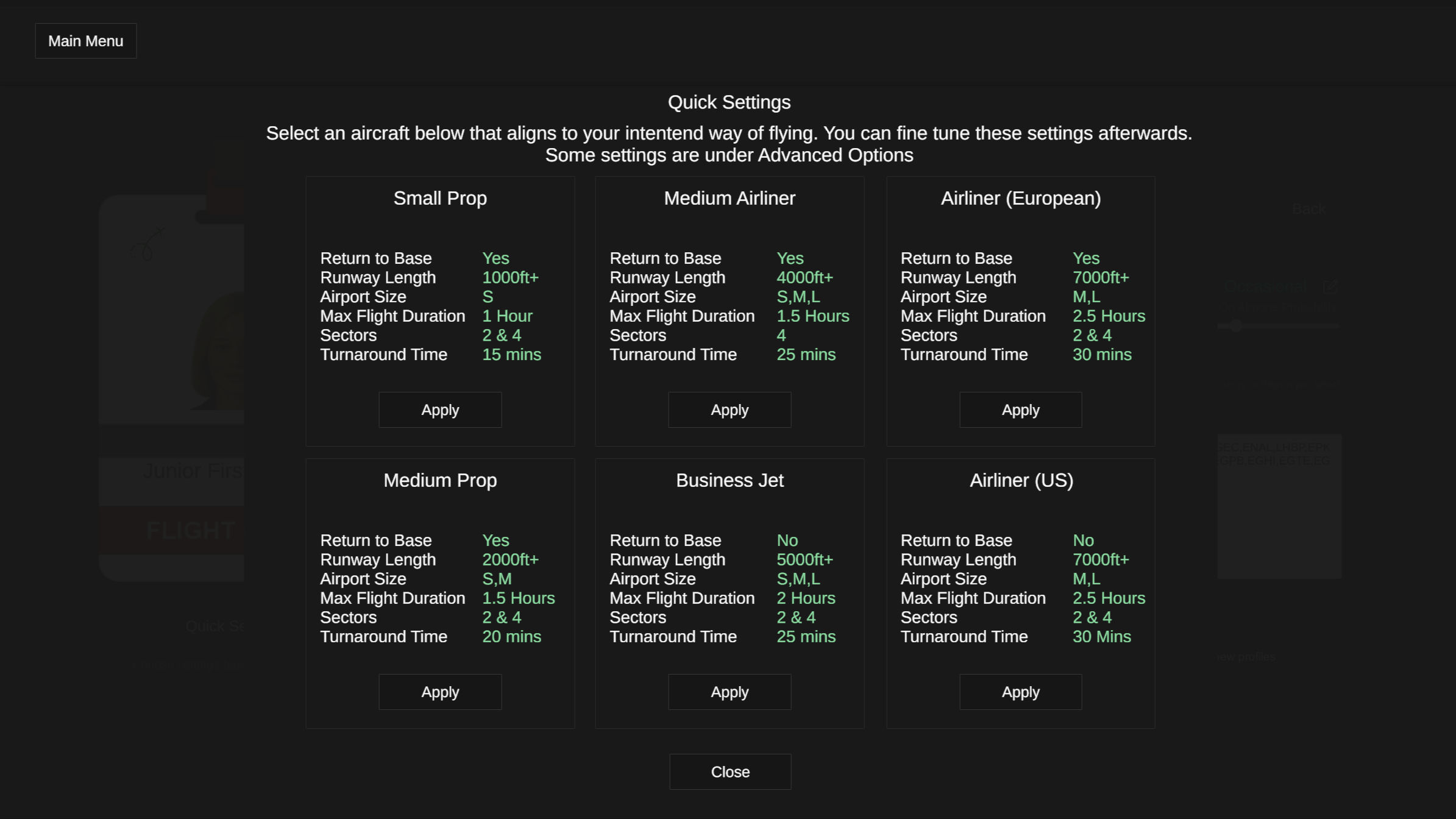
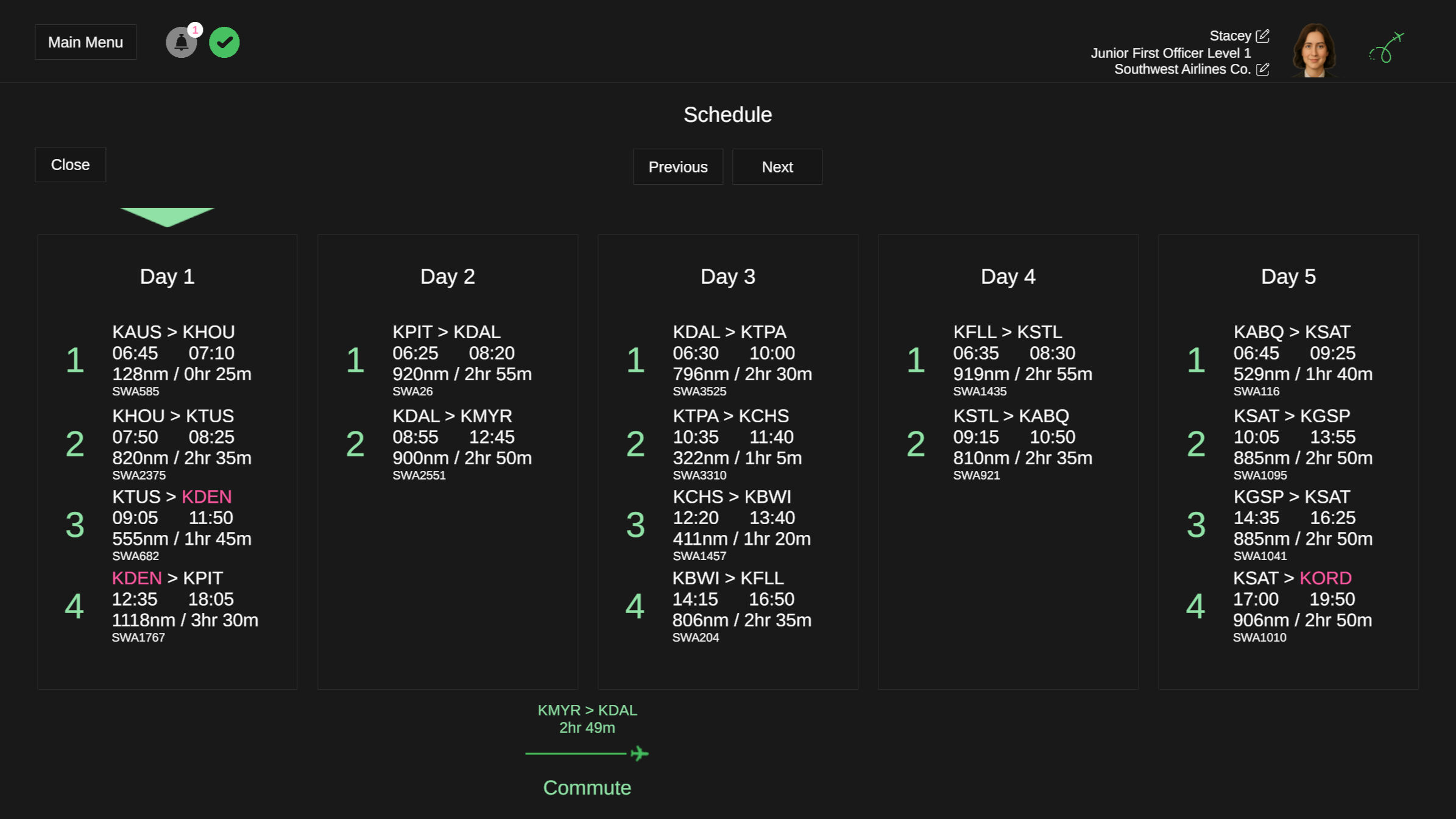
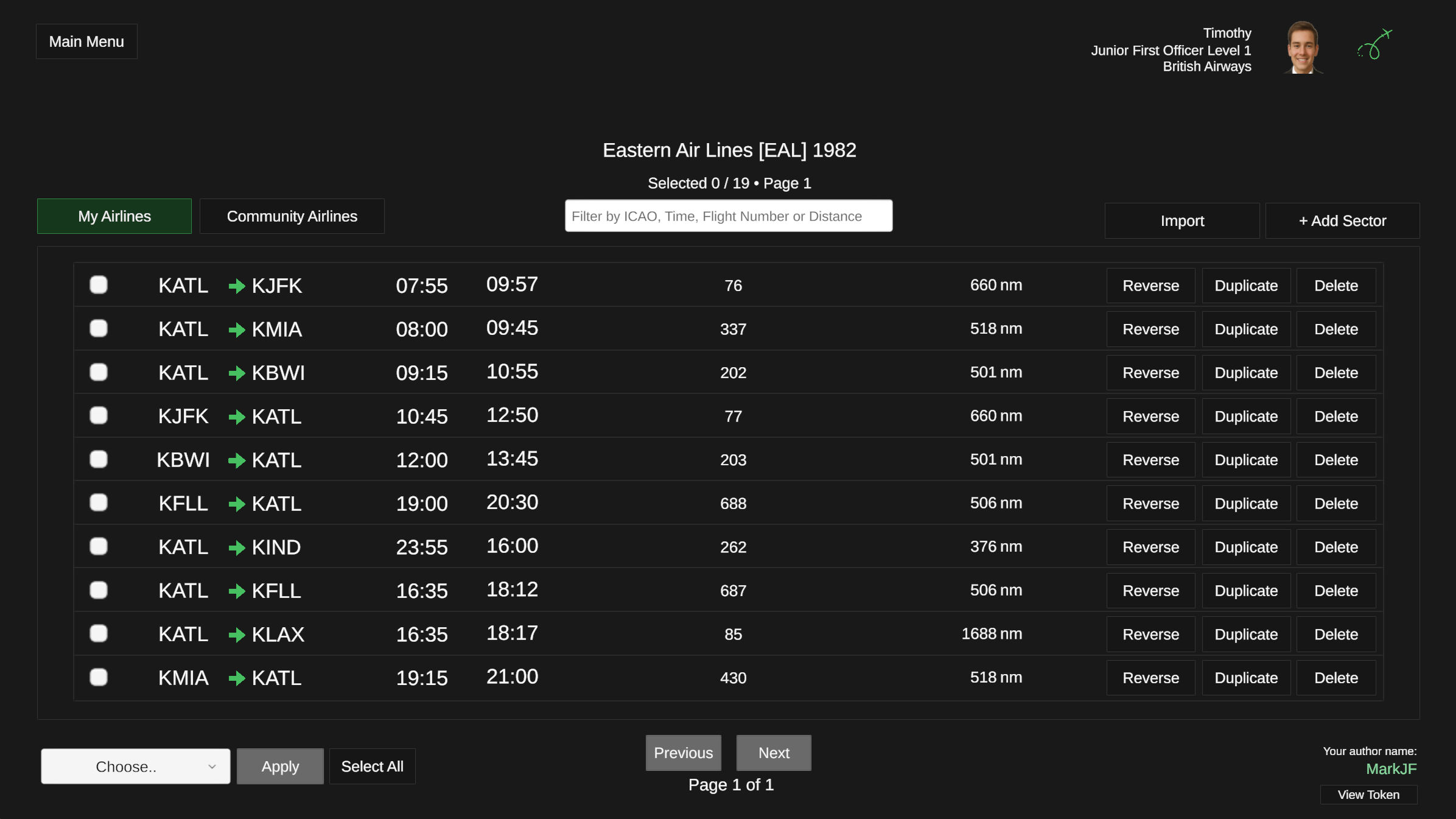
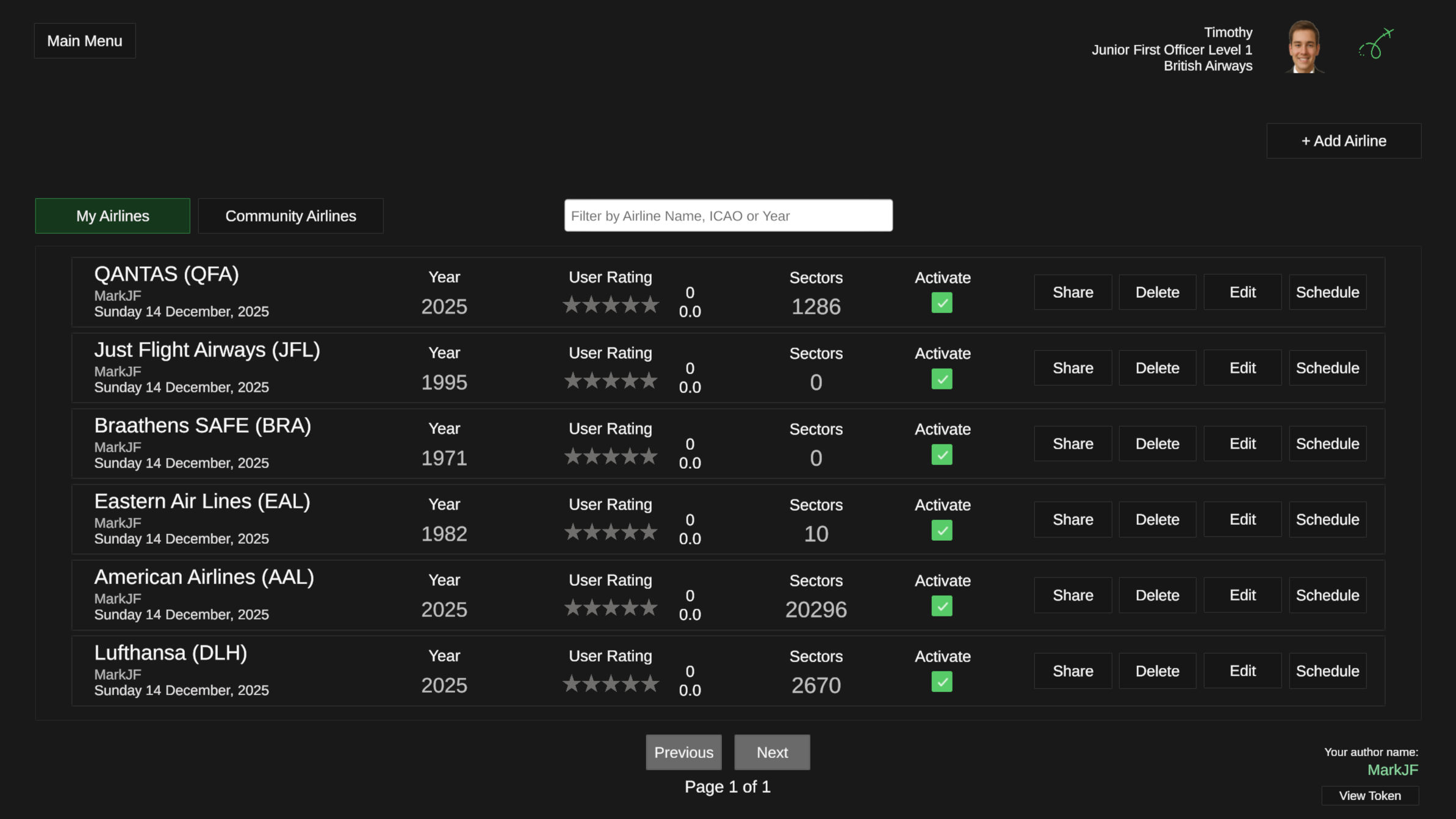
With a solid base to build upon, the development team has now shifted focus to bring further new additions to Fly the Line in the year ahead. The next update is in the latter stages of development, and we expect it to make its way to our internal testing team in early January, with a full release planned for Q1 2026 (the exact timing will depend on testing feedback). The headlining item in this upcoming update will be the Schedule Manager; this brand-new addition will allow users to edit, create and share schedules with other community members, all housed within the Fly the Line app.

 Fly the Line - Short Haul Edition

Do you want to fly for an airline using the latest Winter 2025 timetable, but the data isn’t included in the core Fly the Line database? That’s not a problem; Schedule Manager will allow you to create that exact schedule within the Fly the Line app. You can either create it from scratch or use the existing Fly the Line database as a starting point. Departure times, arrival times and flight numbers are all customisable.

Do you know a friend that owns a 1980s timetable for your favourite airline? They could create a schedule using that data within the Schedule Manager and share it with the community. Like any good friend, you might also wish to give a rating to that schedule as a recommendation to other users!

Once a custom schedule is created or downloaded, Fly the Line will use that data when generating your weekly schedule, thus seamlessly integrating with the existing gameplay mechanics. 

 Fly the Line - Short Haul Edition

Schedule Manager opens the door to a huge new dimension for Fly the Line - a career-driven experience which can use any accurate, custom-made airline schedule from any airline or era. We are excited to see where the community will take this feature, and how that will alter the course of future Fly the Line features.

The screenshots in this article show the Schedule Manager in the latest development build of Fly the Line. Please note that this build is still work in progress, and changes are likely to occur ahead of the next release.

We will be sure to share further news regarding Fly the Line here and on our social media channels.

Tomorrow, Day 3 of our End of Year Round Up will take a look at one of the airliners currently being developed by our in-house team.

Just Flight End of Year Round Up 2025 – Part One

15 December 2025

A YEAR OF UPDATES

Welcome to the 2025 edition of our End of Year Round-Up! A chance for us to look back at all that we have accomplished over the past 12 months. For the next five days we will be sharing articles covering our in-hous…

15 December 2025

A YEAR OF UPDATES

Welcome to the 2025 edition of our End of Year Round-Up! A chance for us to look back at all that we have accomplished over the past 12 months. For the next five days we will be sharing articles covering our in-house development activities, ranging from a summary of the updates we released and the continual support for our existing products to exciting updates on our in-development products.

Day One summarises what this year has been about for us – updates! We have released 34 updates across all of our in-house products in 2025 – a huge number and possibly the greatest number of updates we have ever released in a single year. We are continuing to offer equal support for all our products in both MSFS 2020 and MSFS 2024, which means that every product update requires a dedicated build for each simulator. In addition, our add-ons are also available on the in-game marketplaces for PC and Xbox, which also require their own dedicated builds for both simulators. That comes to a grand total of 87 unique builds released across all platforms for our in-house MSFS products – and that’s not including the post-MSFS 2024 SU4 compatibility fixes! We supplied all these builds as free updates to all Just Flight customers across all stores.

These updates range from small hotfixes to significant ‘Version 2’ upgrades, with some changelogs extending to 200 items long. As part of these updates we upgraded all our products to a ‘MSFS 2024 Native’ standard, meaning that all our MSFS 2024 products are now built natively within MSFS 2024 and fully compatible with this newest simulator.

We have produced a short video covering our entire ‘MSFS 2024 Native’ product range - you can view it here.

Whilst developing MSFS 2024 native versions of each of our products, our development team also spent a considerable amount of time investigating and implementing some of the brand-new features that are now possible thanks to the new core elements in MSFS 2024. All our add-ons now support the MSFS 2024 LOD system for increased FPS/performance as standard, and all our airliners now feature MSFS 2024 walkaround support. Although time has not allowed us to implement every new MSFS 2024 feature in each of our 10 MSFS products, we do now have a solid foundation that we can look at building upon in the future.

Let's take a look at our full MSFS product line and see what updates were brought to each product in 2025... 


RJ Professional

The RJ was the very first product for which we released an ‘MSFS 2024 Compatible’ update, in December 2024. The aircraft was initially released a few weeks prior to the launch of MSFS 2024, so it made complete sense to make this our primary focus when MSFS 2024 arrived.

Whilst MSFS 2024 was still in its infancy, the processes involved in upgrading an MSFS 2020 aircraft to be ‘MSFS 2024 Native’ were alien to us, which is why we, like many other developers, took the decision to initially update the product to 'MSFS 2024 Compatible' status – meaning that the product had been tested in MSFS 2024 and that it functions the same as the MSFS 2020 version, but was essentially a 'port' and so did not support any of the native MSFS 2024 features.

Later in the year we gained more knowledge about the processes involved in developing ‘MSFS 2024 Native’ add-ons, and we begun the process of releasing ‘MSFS 2024 Native’ versions of all our products. In August we released RJ Professional v1.4, and also included in this update was the addition of an RJ100 QT freighter variant, direct Simbrief OFP import into the GNLU-910A FMS, and new custom cabin textures for the 25+ included liveries. 
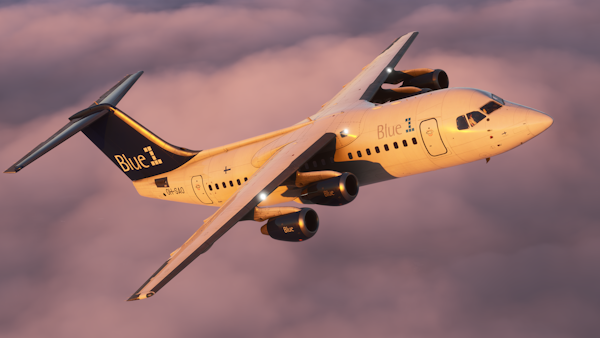
RJ Professional


Hawk T1/A Advanced Trainer

The Hawk was our first true ‘MSFS 2024 Native’ product. As with the RJ, we initially released a ‘MSFS 2024 Compatible’ update for the Hawk, in early 2025. The timing worked as we were already working on one of our signature ‘Version 2’ updates to the product, with a sizeable changelog already in the works. The Hawk’s ‘Version 2’ update included a significantly reworked flight model, functional weapons, the Just Flight Version 3 EFB, new liveries and a raft of other bug fixes and improvements.

A further update in April included various other improvements, but most importantly upgraded the Hawk to an ‘MSFS 2024 Native’ standard. 
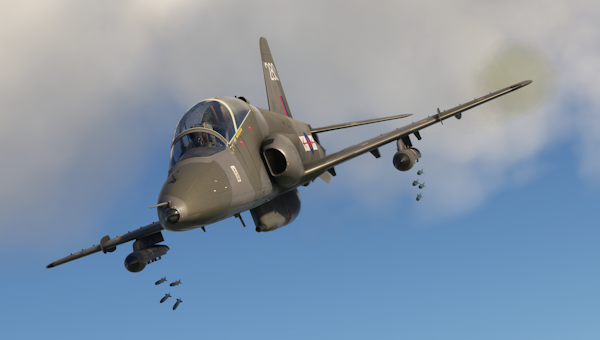
Hawk T1/A Advanced Trainer


Avro Vulcan B Mk.2 K2 & MRR

The Vulcan was our second ‘MSFS 2024 Compatible’ product courtesy of an update in January, and was also our second ‘MSFS 2024 Native’ product following a further update in April.

The Vulcan has always been a firm favourite of our development team, so seeing it sat on the ramp with MSFS 2024’s lighting, ray tracing and the incredible sound set really made us appreciate just how much of a step up in immersion the new simulator was going to offer.

The updates to the Vulcan have smaller changelogs than most of our products this year, reflective of how content we were with the current state of the aircraft, but we still managed to pack in a significant selection of new features and improvements, such as a new EFB, upgraded GPS and additional quality-of-life enhancements. 
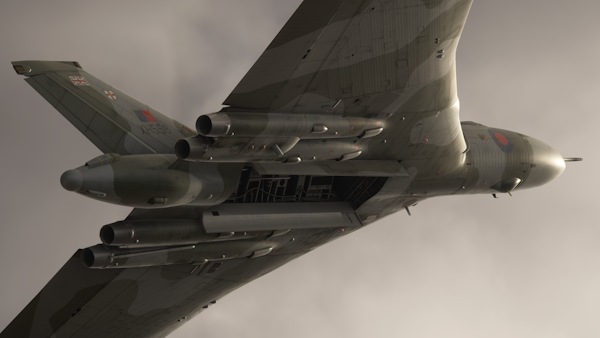
 Avro Vulcan B Mk. 2, K.2 & MRR (MSFS)


PA-28R Arrow III, PA-28R Turbo Arrow III/IV and PA-28-161 Warrior II

After spending the early months of 2025 working on our high-speed, high-altitude aircraft, we decided to slow things down a little and spend some time back in the world of General Aviation.

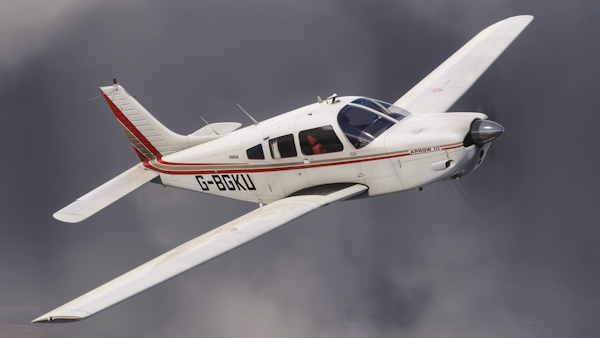
We’re especially wedded to our PA-28 range; they were the first add-ons we released for MSFS 2020 back in 2021, and it just so happened that they were also the first products where we skipped the ‘MSFS 2024 Compatible’ build stage and jumped straight to ‘MSFS 2024 Native’ builds. After releasing our first ‘MSFS 2024 Native’ updates for the Hawk and Vulcan, we now had the knowledge and experience to allow us to start investigating what new MSFS 2024-specific features we could include to embellish our aircraft.

Despite their age, our PA-28 aircraft remain highly relevant in the competitive world of MSFS General Aviation aircraft, thanks to our development team's frequent updates. This year we released five updates for each of our PA-28s, with the updates including such features as heavily reworked flight models, new EFBs, interactive paper charts, performance optimisations and other bug fixes and improvements, along with upgrading each aircraft to ‘MSFS 2024 Native’ standard, of course.

We are immensely pleased to have been able to provide five updates to each of our oldest products so long after their initial release - so much so that we produced a video showing off our PA-28 fleet in MSFS 2024! You can view it here.

There will, of course, inevitably come a time when we can’t support these products with updates forever, and including some of the latest and greatest flight simulator features will require a product which is specifically built to accommodate them. We'll share more news about this in the New Year. 
?????????????????????


PA-38 Tomahawk

Following closely behind the many PA-28 updates was the v1.4 update to the Tomahawk, which upgraded it directly to the ‘MSFS 2024 Native’ standard.

The Tomahawk is a simple aircraft to operate, which helped us upgrade it to ‘MSFS 2024 Native’ standard in record time, allowing us to add new features as well as tidy up a small number of outstanding bugs. Among these new features were a new EFB, improved animations, improved model components, enhanced wear and tear simulation, and an updates flight model (including ground handling). Thankfully, the flight model differences between the two simulators was minimal, so the 'Traumahawk’ is still very much capable of entering a spin in the right conditions!
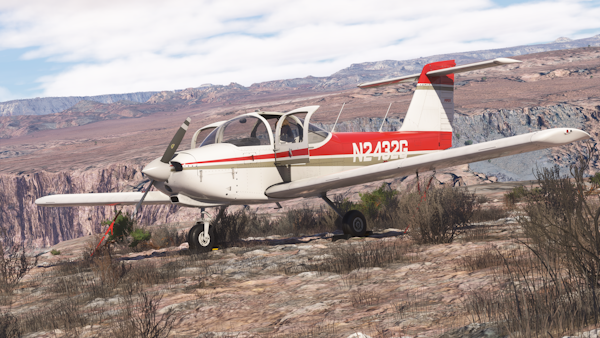
 PA-38 Tomahawk (MSFS)


FS Traffic
 
FS Traffic - our only in-house, non-aircraft add-on for MSFS - continues to boast the highest quality, most performance-friendly AI traffic models available in MSFS, and we were eager to bring those, as well as our offline traffic generation module and tools, to MSFS 2024. Unfortunately we were met with significant hurdles when interfacing FS Traffic with the default AI Traffic engine, with significant portions of the MSFS core traffic engine appearing to be a step backwards from even the latest versions of it in MSFS 2020.

After much investigating and numerous work-arounds, we were able to release an ‘MSFS 2024 Native’ version of FS Traffic in June, which not only upgraded the entire model library to a MSFS 2024 native standard, but also included a range of additions and improvements to the Traffic Control Centre app and FS Traffic module, and added new liveries that were requested on the Just Flight community Forum. As MSFS 2024 continues to mature and evolve, the FS Traffic development team remains keen to monitor the status of the simulator’s core traffic engine and to take advantage of any improvements that may be included in future Sim Updates.

A quick note about the availability of FS Traffic on the PC and Xbox 2024 marketplaces this year: We initially uploaded FS Traffic to the MSFS 2024 marketplace 'ingestion portal' shortly after the releases of the ‘MSFS 2024 Native’ update, but unfortunately every build we upload has been perpetually stuck in the system, and we are still awaiting our first opportunity to evaluate a build of FS Traffic on the MSFS 2024 in-game marketplace. Although we are in regular contact with the marketplace team, no solution has yet been found, so we are unable to provide an estimate as to when the free ‘MSFS 2024 Native’ upgrade of FS Traffic will become available to existing users on the MSFS 2024 marketplace, or when it will become available for purchase. We are hoping for a solution soon!

The next update to FS Traffic is in active development, and will include a range of new aircraft models and liveries to bolster the already sizeable list of AI aircraft already included. We'll share more details as to exactly what this update will include in the New Year. 
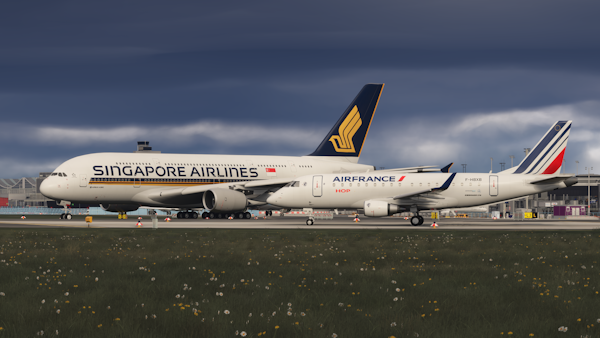
FS Traffic


F28 Professional

As we begin our turn onto final approach on this ‘Year of Updates’, we closed the year by providing ‘MSFS 2024 Native’ upgrades for two of our heavy-hitting airliners. Firstly, we decided to tackle our venerable F28 Professional.

The F28's journey into MSFS 2024 began around the time of MSFS 2024's release towards the end of 2024. Throughout the release period our development team were already engrossed in an ambitious ‘Version 2’ update, with a headlining item being our fully custom-coded UNS-1 Flight Management System. This would be a toggleable option in the aircraft, allowing navigation using the UNS-1 FMS, traditional navigation with the VHF NAV and ADF radios, or via the newly located Working Title GNS430 GPS. In addition to these new navigation options, an Altitude Preselect Controller was to be added, enabling more autopilot functionality for those who wanted it, as well as improvements to all existing autopilot logic.

Additional items were added to the cockpit, including sun visors, an alternative type of passenger oxygen regulator, and new annunciators for the upgraded navigation equipment; all were toggleable via controls in the cockpit and, in some cases, were automatically fitted based on the selected livery. All these configurations meant that no two F28s you fly in the simulator would be the same – a remarkably similar experience to that of real-world F28 pilots!

The ‘Version 2’ update released as an ‘MSFS 2024 Compatible’ aircraft in March, with a v2.1 update coming later in the month. The combined changelogs for both of those updates exceed 150 unique items, which also included general bug fixes, other new features and quality-of-life additions.

Coinciding with the ‘Version 2’ update, we produced a video highlighting the rich variety of features that were added to the F28 Professional - you can view it here.

In October we revisited the F28 for its next significant update, which involved upgrading the product to ‘MSFS 2024 Native’ standard and, for the first time, added Preflight Walkaround Support to one of our aircraft. We had already included fully simulated cabin controls in the initial v1.0 release of the F28 Professional, so our focus in v2.1 remained on the external interactions, including passenger, service and cargo doors, chocks and GPU.

The v2.2 update also added the much-requested direct Simbrief import functionality to the UNS-1 FMS and various other improvements, including the addition of meticulously hand-crafted cabin textures for each of the F28 liveries. We really do think that the custom cabin textures that were included in the v2.2 update are the cherry on the top of an F28-shaped cake!
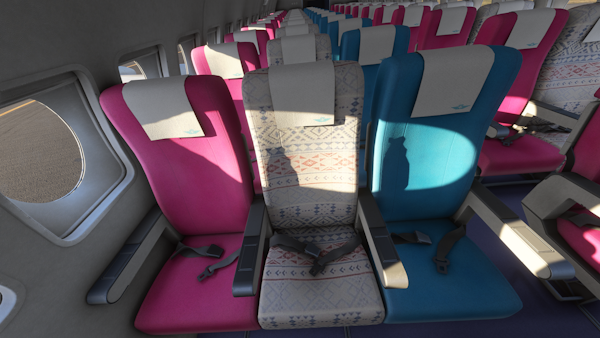
F28 Professional


146 Professional

What better way to round off our year of updates than to release the biggest update we have ever provided for one of our MSFS products.

Our plan with the 146 was to first focus on completing the F28 and RJ ‘MSFS 2024 Native’ upgrades; we would then be in the best possible position to take advantage of the optimisations we had created when developing these previous upgrades and to significantly upgrade the 146 with the latest features and improvements in the F28 Professional and RJ Professional.

We anticipated that this v2.4 update would be our biggest of the year but none of us expected the changelog to be almost 200 items long! Although bug fixes were included in the update, the focus was on adding new features and improving existing elements of the 146. All the major aircraft systems received an overhaul based on our experiences with our other airliners, particularly the RJ. The electrical, hydraulic and air-conditioning systems were just some of those which saw the most significant improvements.

We also added our latest V3 EFB to the cockpit, with a new model, redesigned interface, improvements to the boarding and refuelling simulation, new aircraft configuration options and more.

The 146 also received MSFS 2024 Preflight Walkaround mode support, custom cabin textures for each passenger livery, new realistic ‘bounce’ animations to all cockpit instrument drums, and much more. We could go on talking about every feature we added to the 146 in the v2.4 update, but we simply hope that it’s as pleasing to you as it is to us to have all three of our high-fidelity airliners upgraded to a ‘MSFS 2024 Native’ standard, and all now with a similar feature set.

If you would like to take a look at some of the features included in the v2.4 update, we published a short video which can be viewed here

146 Professional


X-Plane 12 aircraft

We'd like to highlight the fantastic work which our development partners at Thranda Design have done this year in expanding our X-Plane 12 line-up.

In March we released the PA-28-161 Warrior II - arguably the most popular version of the PA28 family - which received a full re-texture of the interior and exterior with 8K textures for maximum clarity and resolution, additional support for the latest X-Plane 12 feature set, and also some hallmark features of Thranda Design aircraft such as a new EFB/tablet with dynamic livery support which allows you to create a livery and see it update in real-time, without ever having to exit the simulator. 
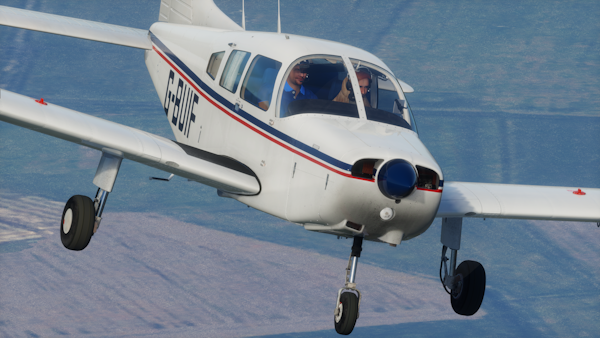
 PA-28-161 Warrior II (X-Plane 12)

In May, the Thranda Design team completed work on their most ambitious product of the year, an X-Plane 12 Native version of our 146 Professional airliner. This new aircraft saw a myriad of improvements from the X-Plane 11 version and added support for new X-Plane 12 features. It was also released with a new lower price, allowing more people than ever to experience the quirky operations of the 146. 
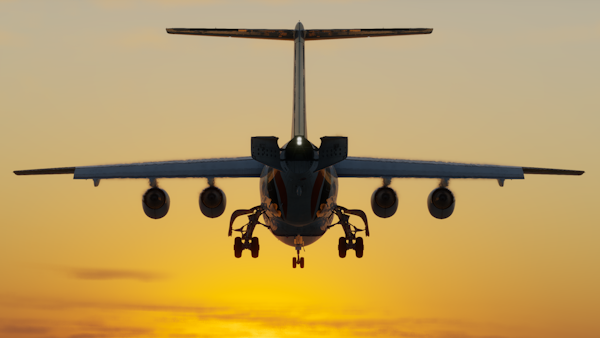
 146 Professional (X-Plane 12)

In October, the next of our native X-Plane 12 PA-28 range was released: the PA-28-181 Archer III. Like the earlier Warrior II release, the Archer III also received a significant upgrade compared to its X-Plane 11 predecessor, with upgraded artwork, X-Plane 12-specific features and the popular Thranda Design EFB/tablet and dynamic liveries. 
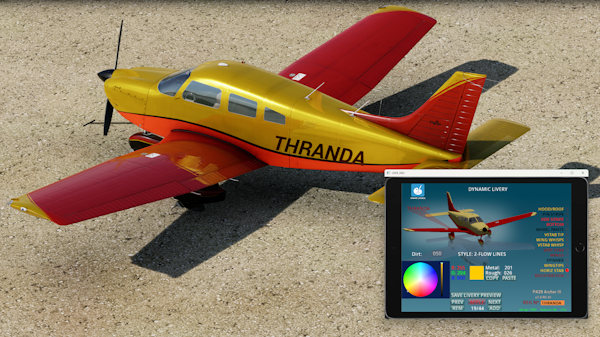
 PA-28-181 Archer III (X-Plane 12)

If you've made it this far, thank you for your interest and for taking the time to read the complete article! It has been an incredibly productive year for our in-house development team, providing these extensive upgrades to all of our MSFS products in both MSFS 2020 and MSFS 2024.

Although it has not gone unnoticed that we have not provided you with a brand-new add-on this year, we hope these extensive free upgrades have increased your enjoyment of our products. Please stay tuned for tomorrow’s instalment of our end of year round-up - we promise it won't be quite as lengthy as this one!